


As Australia’s largest development partner, closest neighbor, and key ally on economic and security issues, ensuring Papua New Guinea (PNG) is stable and prosperous is critical to Australia's political and economic interests. Australia’s investments in PNG’s infrastructure are contributing to economic growth, climate resilience, and equitable human development.
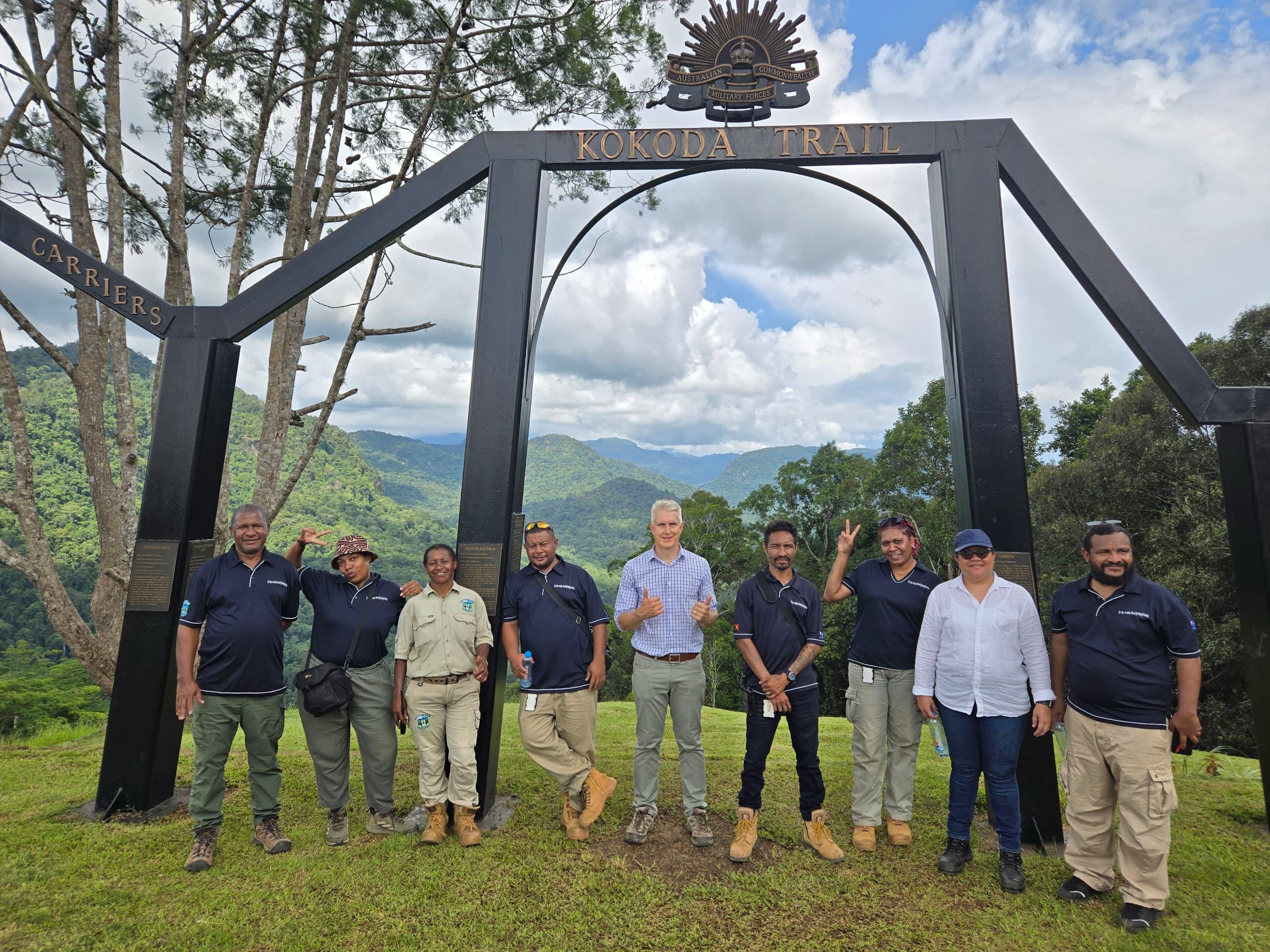
The Kokoda Initiative Partnership
The Australian Government’s Australia PNG Subnational Program (APSP) delivers infrastructure across PNG. Abt is proud to manage APSP and its four place-based programs: the Kokoda Initiative Partnership, Bougainville Partnership, the Western Province Partnership and the Subnational Governance Implementation Program.
The Kokoda Initiative Partnership (KIP) supports the Papua New Guinean and Australian governments to sustainably develop the Kokoda Track and protect the surrounding Owen Stanley Ranges. The initiative focuses on enhancing the quality of life of communities living in the area, keeping the track open and well managed, and protecting the environmental and cultural values of the track.
KIP also supports significant infrastructure investments in education, health and governance, delivering construction and refurbishment of various community and social infrastructure, such as hospitals, schools, health centres, WASH/water security facilities, as well as Kokoda Track ranger stations.
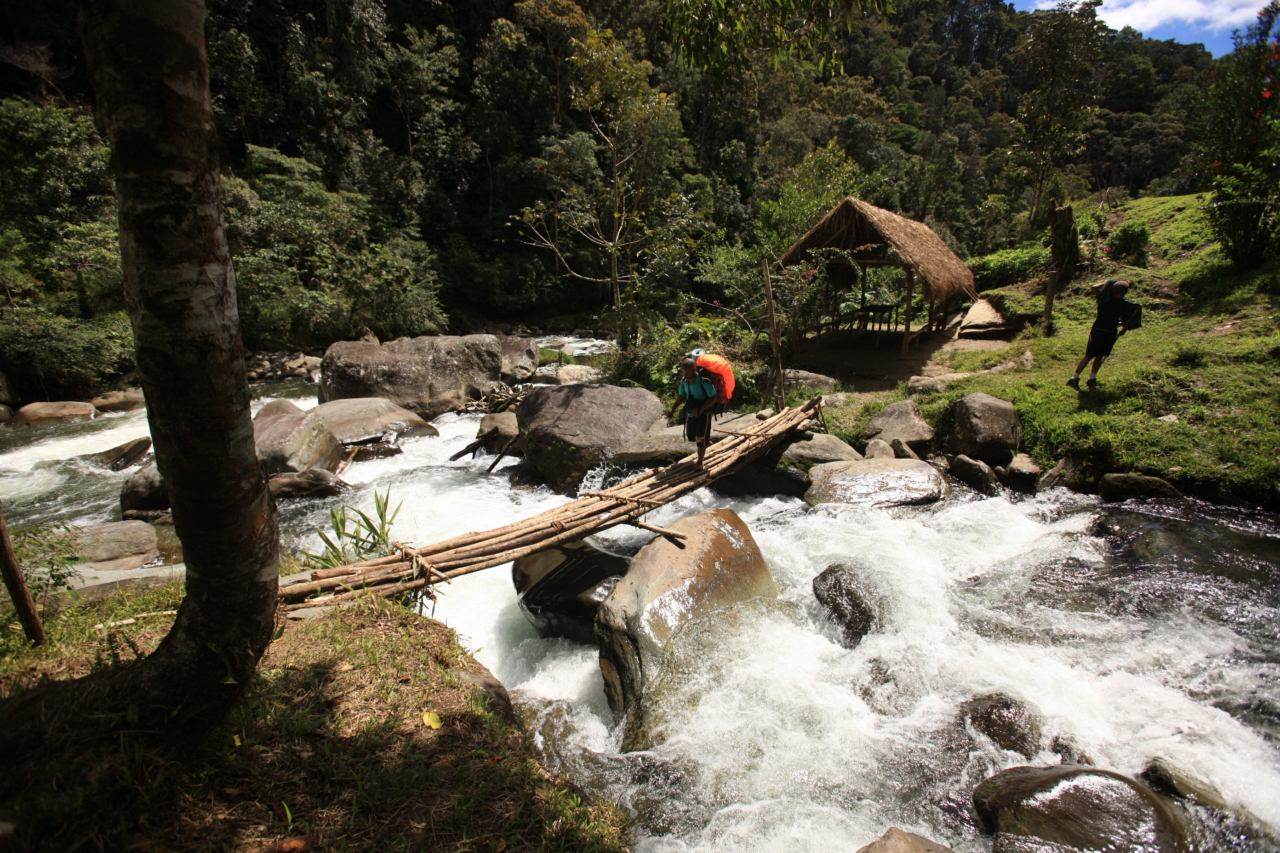
Delivering projects in hard-to-reach places, one step and a time
Delivering infrastructure in PNG often requires extraordinary logistical coordination, particularly in remote areas with limited transport access. Building infrastructure in PNG often begins long before construction starts. Materials and equipment must first reach communities scattered across mountains, islands and dense forest, where transport routes are limited and conditions unpredictable. Deliveries may involve ships, trucks, aircraft or helicopters, and in some locations, materials must be carried the final distance by hand. Behind every new classroom, health facility or water system is a carefully coordinated logistical effort – often relying on the participation and support from local communities.
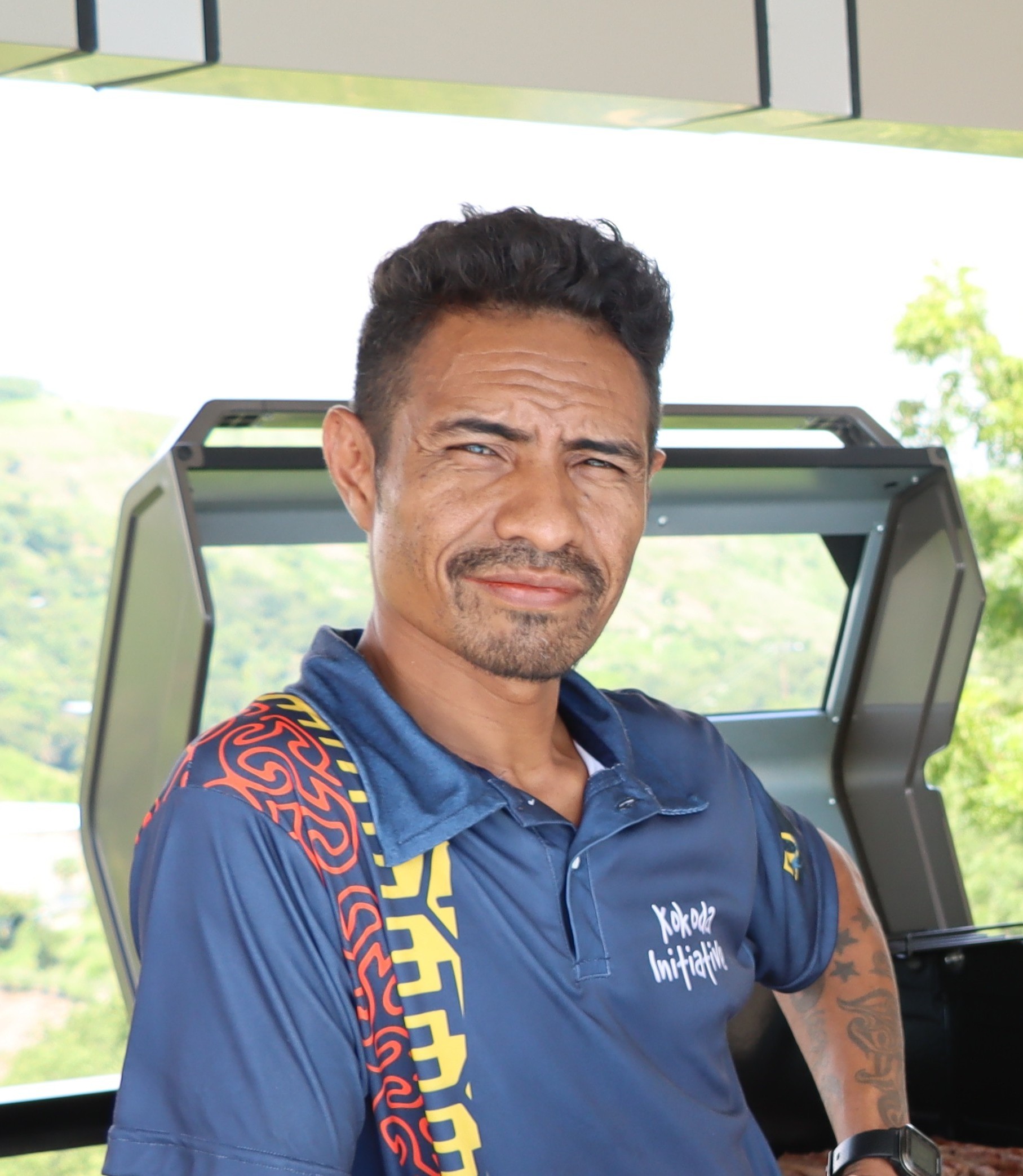
Here, we meet Timor Sibona, Kokoda Initiative Partnership’s Infrastructure and Procurement Coordinator, who – when he’s not out in the field – is based in our office in Port Moresby.
After graduating with a Bachelor of Science in Applied Physics with Electronics and Instrumentation and obtaining a Certificate III in Aeronautical engineering, Timor worked in building and construction, predominantly in rural areas in PNG.
“With my existing project management skills, vast technical background in engineering, and extensive building and construction experience, I was confident I’d be a good fit for the Infrastructure and Procurement Coordinator job,” says Timor, who in addition to his technical skills and experience, has a high level of cultural awareness and local knowledge.
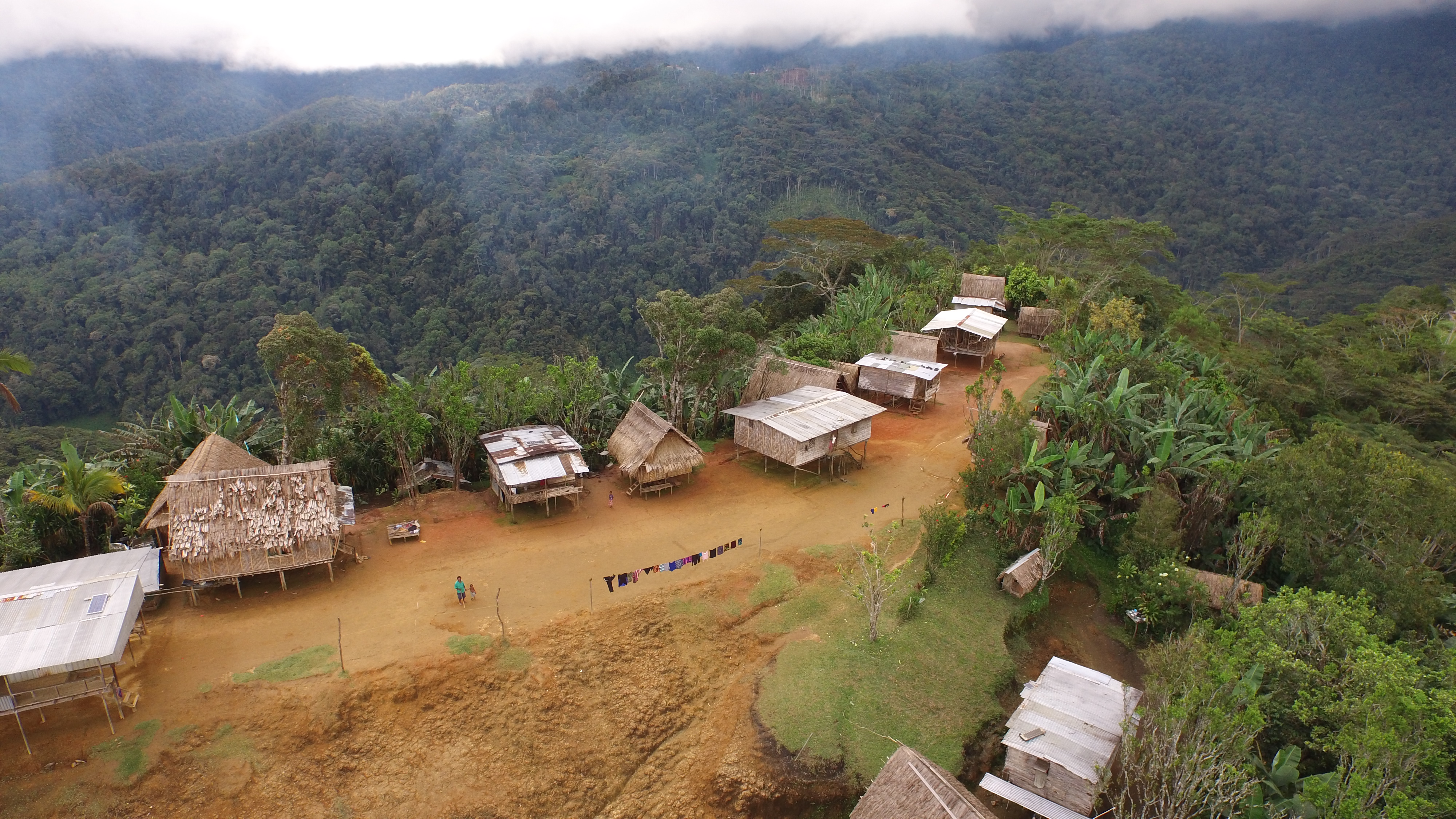
“I understand language barriers and hierarchy systems in rural communities, as well as the unique terrain, customs and cultures of the Kokoda Track, which is rugged and has demanding terrains such as mountains, islands, and dense forest. Transporting materials and equipment to remote construction sites along the track can be incredibly complex and hazardous,” says Timor.
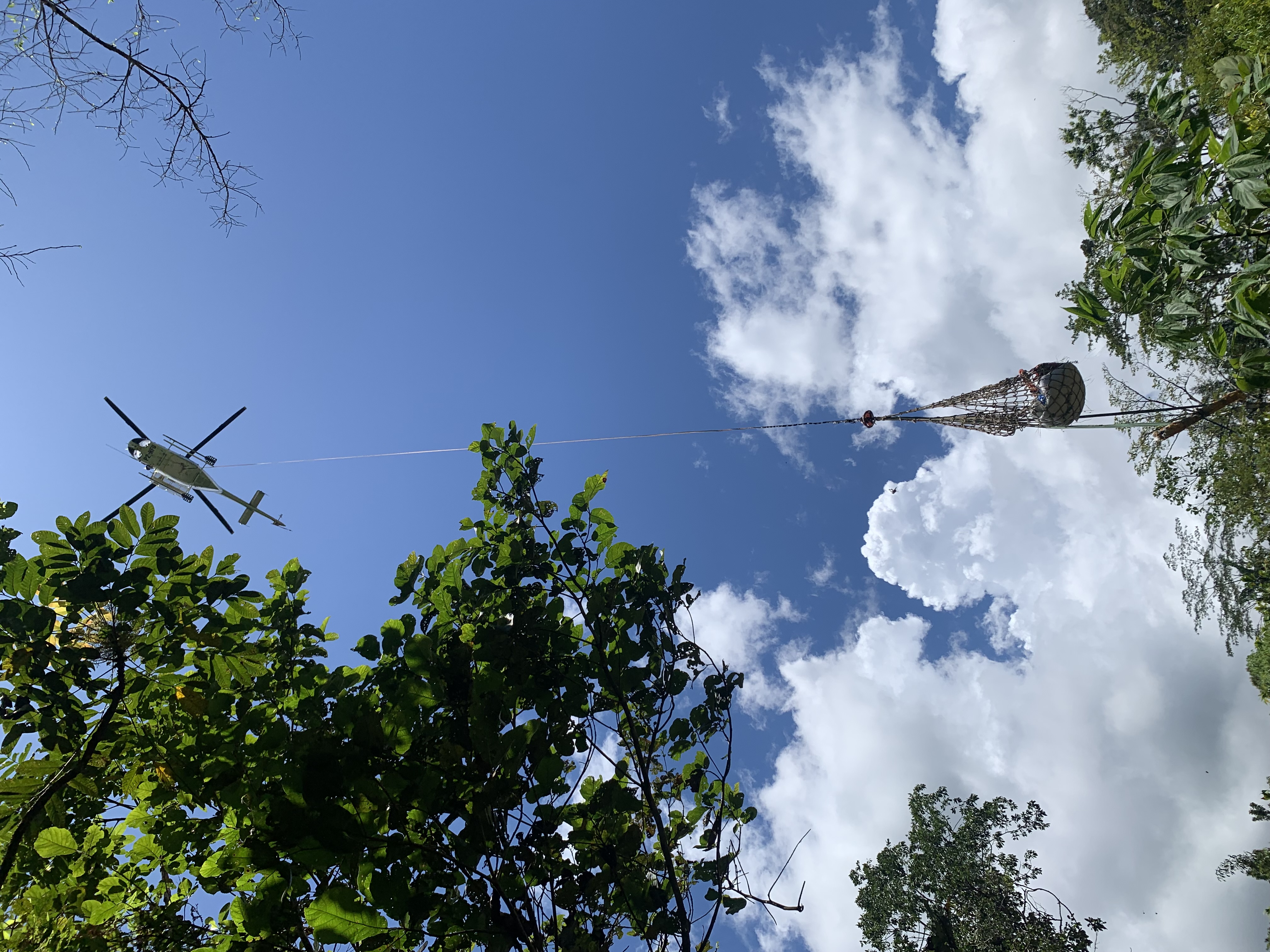
“Planning and executing project schedules when the region is geographically challenging and the weather is unpredictable can be tough. We use helicopter airlifts for sites with no access roads, trucks and semi-trailers loaded with 20ft containers or break bulk to off-road sites, and ships and barges to deliver materials procured from other centres to the nearest ports to the project site.”
Staying one step ahead of the weather
PNG is on the frontline of the impacts of climate change, with extreme heat, high rainfall, flash floods, extreme droughts, and the frequency of intense tropical cyclones predicted to increase in coming years. Consequently, it’s vital that infrastructure development in PNG supports community resiliency and climate adaptation measures.
Trying to stay one step ahead of adverse weather plays a big part in Timor’s project planning, for example, he knows that it tends to rain heavily after lunch in the Kokoda Track area, then the cloud cover drops significantly.
“This happens almost every day and when the clouds are low there's no way for a chopper to come in and out. So, I plan my chopper trips for morning. But there’s still unpredictable crosswinds in between the valleys, and they can come out of nowhere, slamming the chopper and making sling jobs (airlifting building materials) particularly tricky. At some locations, we can't do drop-offs, so we leave the materials as close as possible and ask local workers to carry them all the way.”
Building rapport with local communities
On why he feels it’s so important for infrastructure programs to involve local businesses and workers, Timor pinpoints economic growth within the local community or region.
“PNG is still developing and most of the population live in rural areas. Along the Kokoda Track, apart from getting fresh produce from the markets to try and sell, there’s no business. So, bringing infrastructure building projects in and involving local workers is critical,” says Timor.
Sharing how he builds rapport with local workers involved with his projects, Timor says leading with a friendly chat tends to pay off when it comes to getting a project delivered efficiently and on time.
“I’ve lived in remote areas so I know how to be with people who live in remote communities. And I like to make friends. I'm a very social guy. So, the first thing I do when I arrive at a new site, is I observe first, then approach someone who looks open to having a chat and exchanging information about the project. That way, I can establish who’s the right contact for X, or who should I go to for Y.”
A proud moment
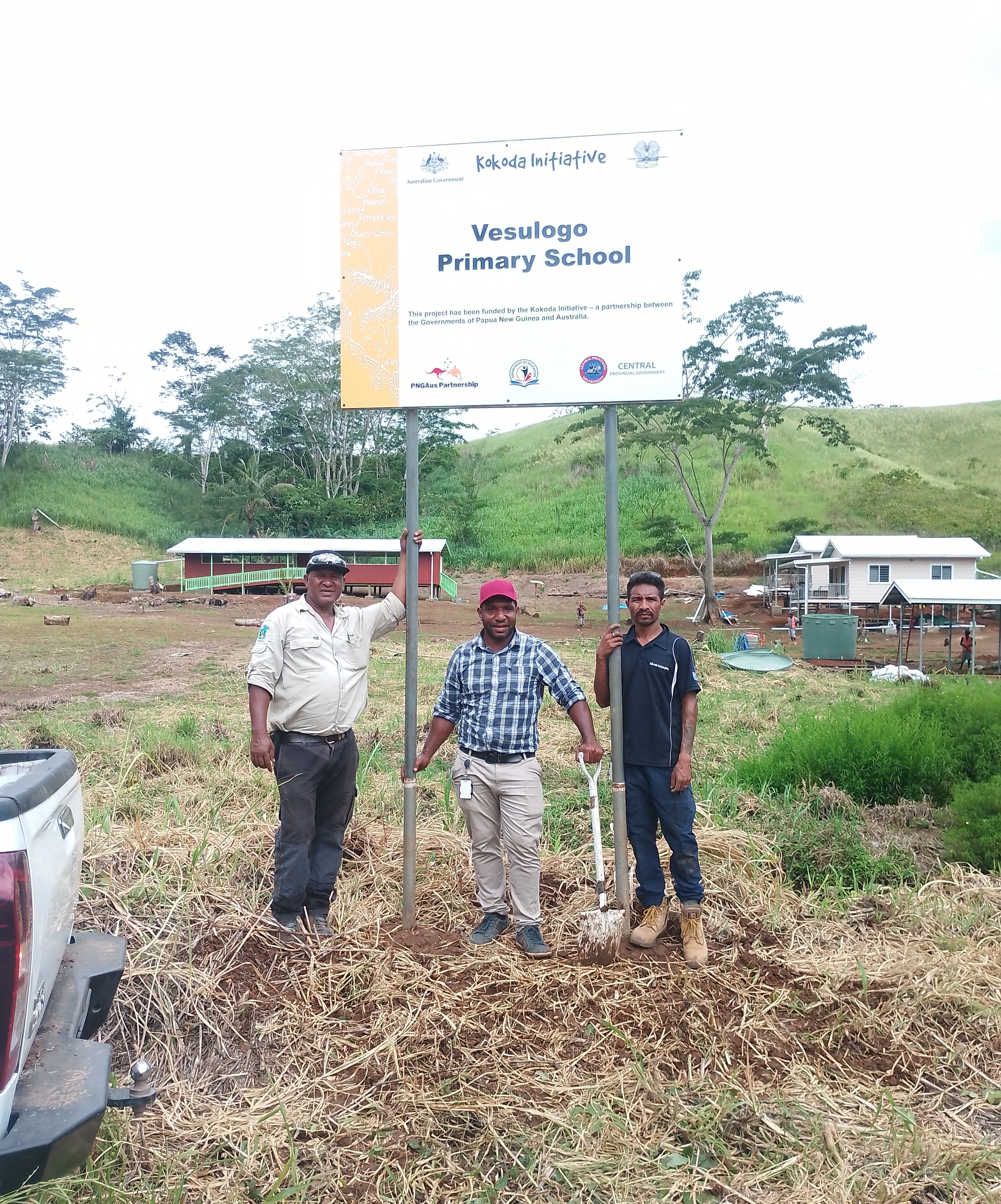
Looking back on an infrastructure project he’s especially proud of, Timor recalls building Vesulogo Primary School in Sogeri, Central Province.
“The local children now have a place to learn closer to their homes. They no longer have to walk long distances every day to get to school,” says Timor, who adds that delivering a water supply upgrade in Kagi and Naduri village was another memorable experience.
“The objective of that project was to stream a continuous supply of water from the mountain creeks down to the community’s communal areas, making it much more accessible for the locals,” explains Timor.
“But after the project was complete and I opened the main valve, there was no water. All this hard work, all this effort, and there's nothing. So, I said a little prayer before I went to bed that night, and woke up the following morning to all the villagers shouting that there was water! I was so relieved, especially as that day was the day of the opening ceremony,” laughs Timor. “I felt really emotional, especially seeing the mothers and kids looking so happy.”
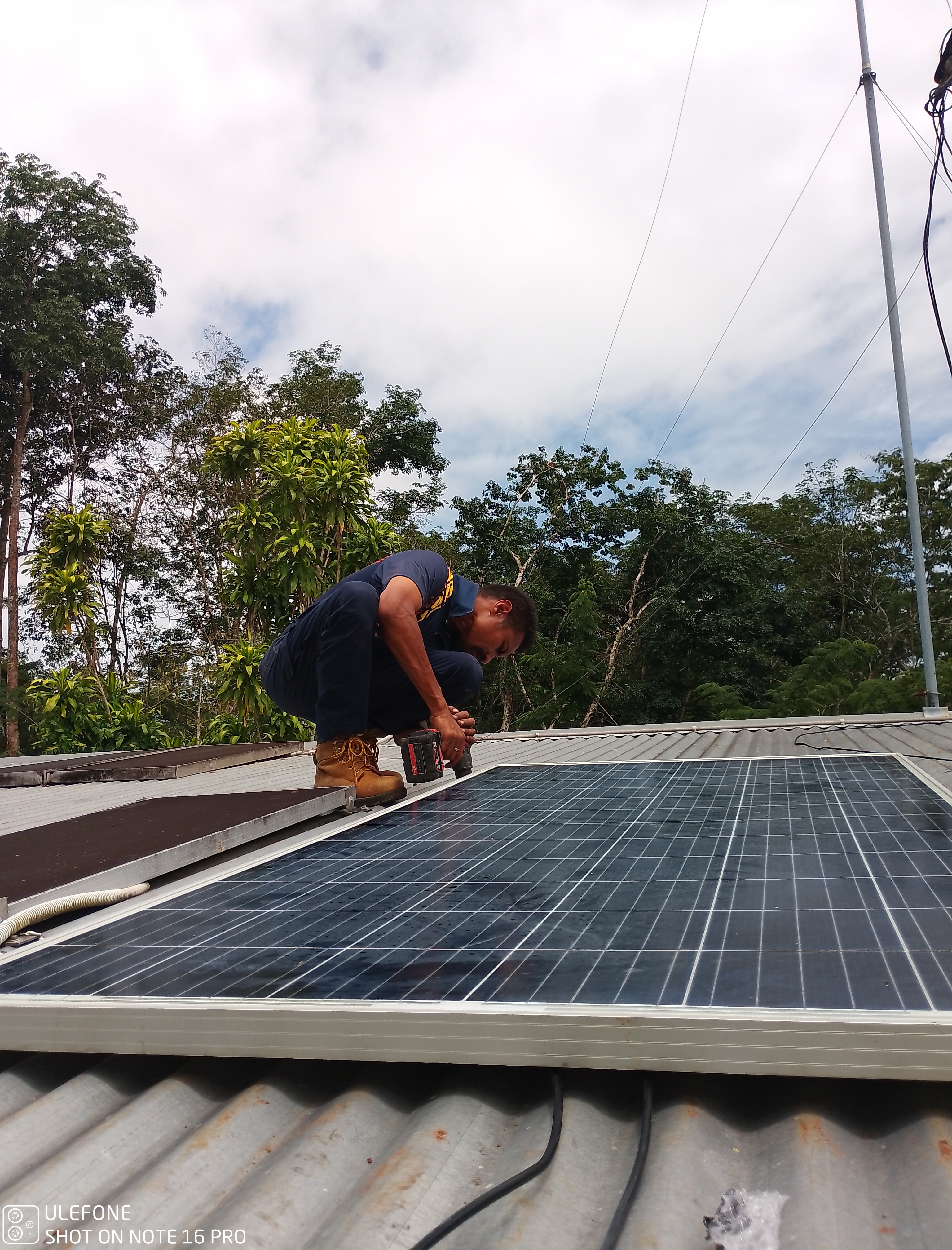
Indeed, for Timor, seeing local people pleased after a project is completed in their community is the main highlight of his job. He also appreciates how lucky he is to work in such a beautiful and fascinating part of the world.
“The Kokoda Track has such diverse flora and fauna and is a military heritage site. I feel proud that the projects I work on are implemented with minimum disturbance to the area’s natural habitat, as well as designed to make the track safe, safeguard heritage, provide basic facilities for local communities, and boost economic activities within the region.”
In response to where he sees himself in the future, Timor shares: “Delivering more infrastructure projects in PNG, so that local communities have all the basic services they need.”
Safe to say Timor will continue to put his skills and experience to excellent use – while continuing to make a few friends along the way.
Learn more about Abt’s infrastructure programs here.
Relevant stories

Locally Led, Place-Based Development in Papua New Guinea
The Australia – Papua New Guinea Subnational Program (APSP) supports subnational government engagement in policy dialogue, economic development and service delivery improvements.

Delivering Climate and Disaster-Ready Schools and Hospitals Across Fiji
The Fiji Social Infrastructure Program (FSIP) works with the Government of Fiji to deliver quality, inclusive, and climate and disaster resilient school and health infrastructure that is locally designed and built.