


As Australia’s largest development partner, closest neighbour, and key ally on economic and security issues, ensuring Papua New Guinea (PNG) is stable and prosperous is critical to Australia's political and economic interests. Gaps in PNG’s infrastructure are limiting PNG’s economic growth, climate resilience and equitable human development in basic service delivery.
Australia is committed to working with government and community partners in PNG to design and deliver high-quality infrastructure across all major economic and social sectors including education, health, law and justice, agriculture, water, power, telecommunications, aviation, roads and ports.
The Australia PNG Subnational Program (APSP), implemented by Abt Global, delivers infrastructure in PNG via four programs: the Bougainville Partnership, Kokoda Initiative Partnership, the Western Province Partnership and the Subnational Governance Implementation Program.
Creating opportunities for local communities
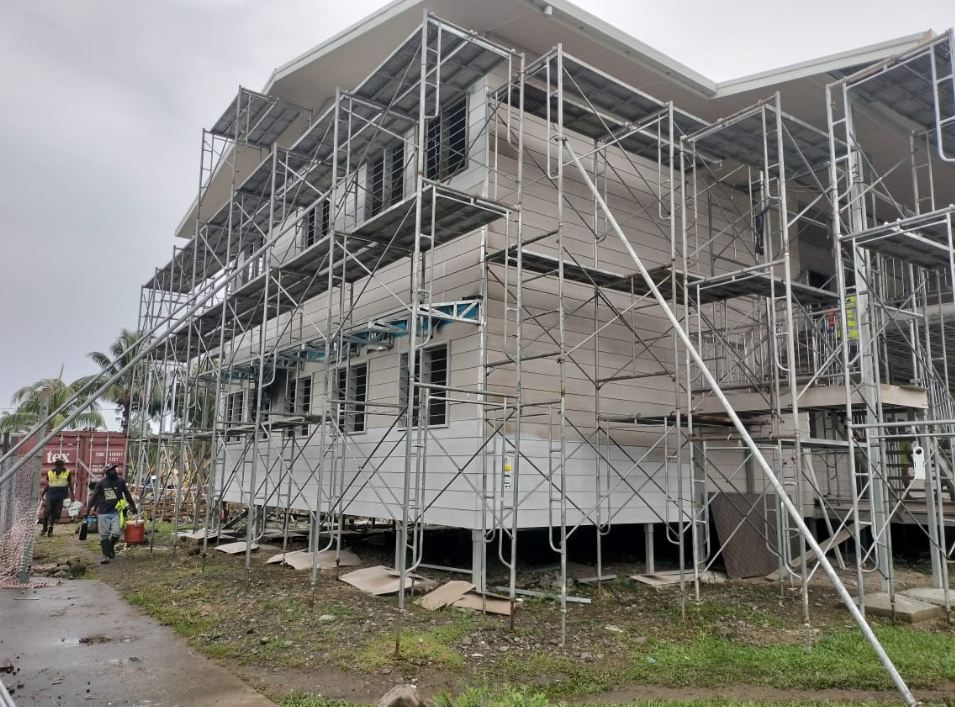
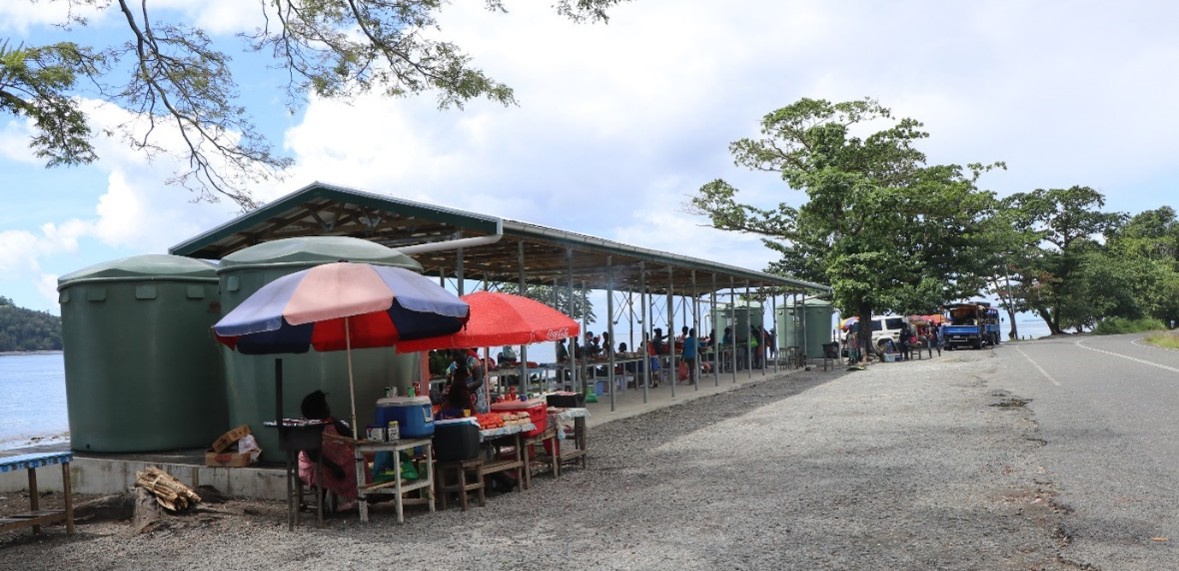
Across PNG, infrastructure projects are achieving more than delivering new or improved facilities. These projects create opportunities for local builders, workers and businesses to take part in construction in their own communities. When local workers help build a range of structures including classrooms, health amenities and water systems, these projects become practical learning environments where skills are developed and experience is gained. For many communities, infrastructure delivery brings both new services and income generation, while strengthening local construction capability and local ownership.
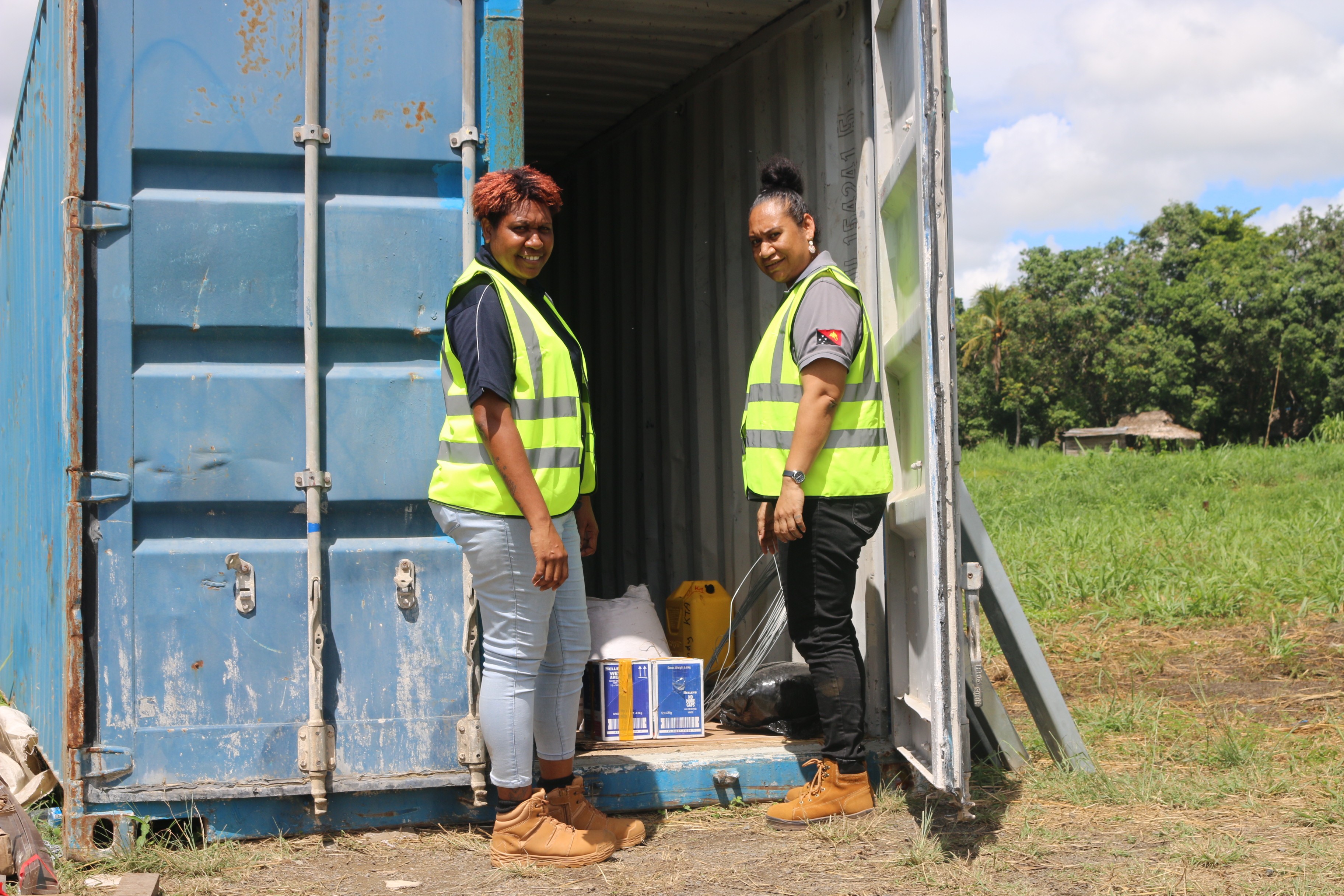
Joyce Tiaga, Senior Manager for Infrastructure Procurement and Delivery at APSP, says local contractors and workers play a vital role in delivering infrastructure projects in PNG. They bring valuable local knowledge, understand community dynamics, are often better equipped to operate in remote environments and offer good value for money.
“It is so important for infrastructure programs to involve local businesses and workers because they bring local knowledge, build community ownership, and support long-term sustainability, while gaining technical skills, safety training and experience,” says Joyce.
Joyce has more than fifteen years of technical experience supporting infrastructure delivery – initially in the private sector and then a decade with Abt Global delivering international development programs across PNG.
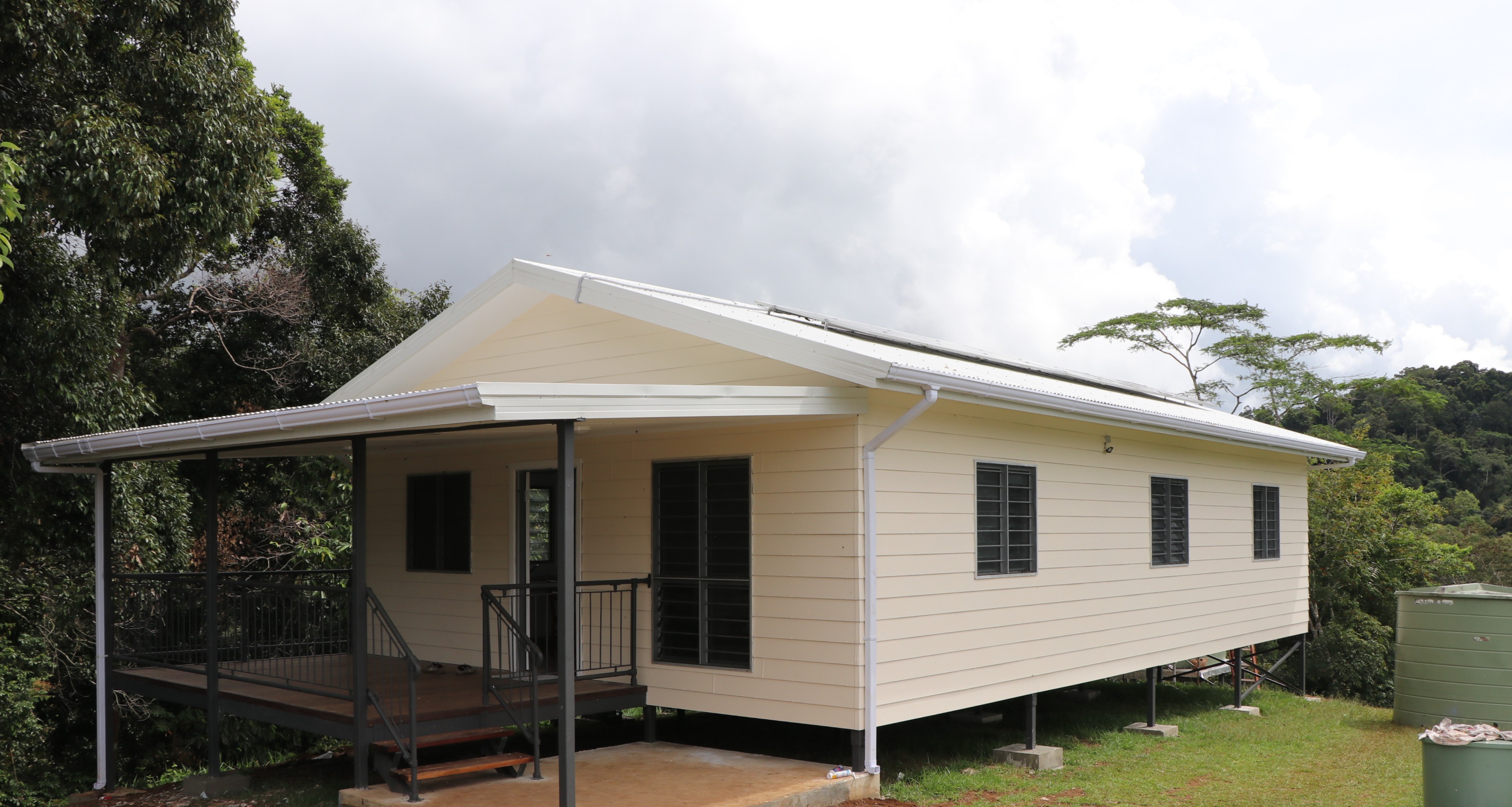
At Abt, Joyce leads infrastructure procurement strategies, provides technical advisory services, and manages procurement and contracts to ensure delivery of efficient, ethical and compliant infrastructure. Based in Port Moresby, she finds her work highly rewarding, both professionally and personally, and credits Abt for its commitment to working closely with local communities and partners, respecting local knowledge, and delivering infrastructure that is inclusive, practical and built to last.
“My work is deeply meaningful because of the real and lasting difference it makes in people’s lives. Even small improvements can have a significant impact on access to health, safety and opportunity, especially in rural and remote communities. While my involvement in a project may take only a few months to a year, the infrastructure delivered can have a long-lasting positive impact. That long-term focus on sustainability and meaningful change is something I truly value about my work. I can go back years later and see the many projects I have been a part of,” shares Joyce.
Building trust and a local ownership
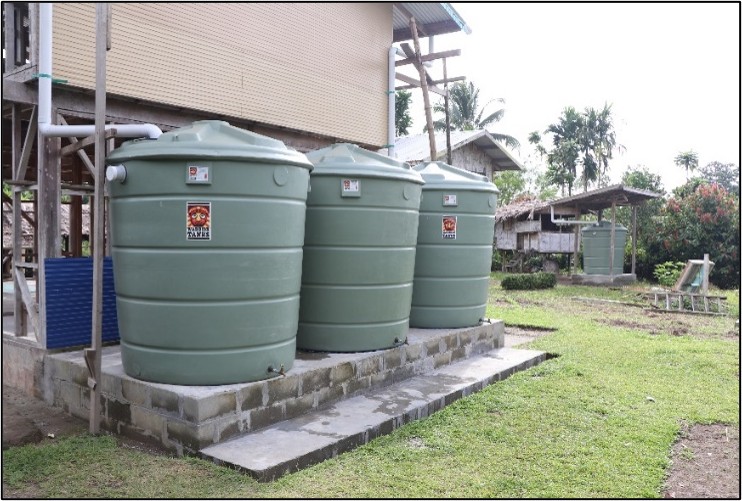
Further reflecting on the importance of community involvement, Joyce says it has significantly influenced how infrastructure projects are designed and delivered. Engaging communities early helps ensure that projects are practical, culturally appropriate and meet real local needs.
For example, during the recent maintenance and refurbishment of the Kagi Health Post along the Kokoda Track, community input was essential.
“Given the site’s extreme remoteness and limited access, with the Kokoda Track only accessible by foot or helicopter, local knowledge helped inform decisions around construction timing, material handling and site logistics as well providing local labour. Community members also shared valuable insights on how the health post would be best used, which helped ensure the refurbished facility met the daily needs of both health workers and patients,” says Joyce.
Joyce also recalled how community involvement in the project helped build trust and a sense of local ownership, which supported smoother project delivery and strengthened the community’s commitment to maintaining the facility after completion and handover.
“What really makes projects succeed is working closely with communities, whose resilience and local knowledge are essential to overcoming these challenges and delivering infrastructure that lasts.”
“For the local community, the refurbishment of the health post now means improved access to essential healthcare services in a very remote area. The upgraded facility provides a safer, more functional environment for both health workers and patients, helps attract and retain qualified health staff, and reduces the need for long and difficult travel to access basic medical care. It also strengthened the community’s confidence in public infrastructure and demonstrated that remote communities along the Kokoda Track are provided essential services,” says Joyce.
A rewarding journey
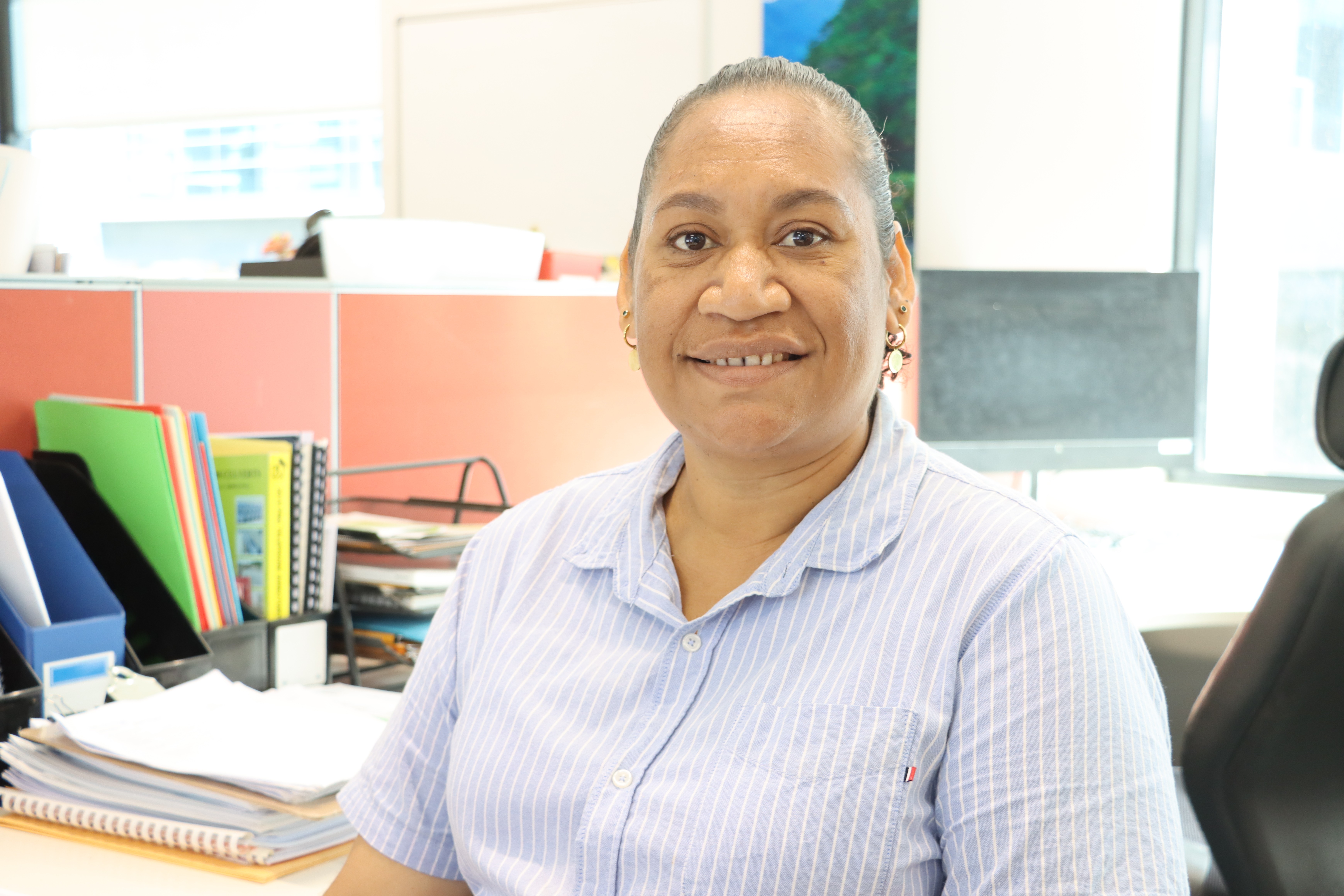
Reflecting on her work, Joyce says, “It is incredibly rewarding to know that the work we do today, often under challenging conditions, will continue to support communities for many years to come. Being part of that journey and contributing in a practical way to the wellbeing and future of our people, is something I feel very proud of.”
Learn more about Abt’s infrastructure programs here.