


Fiji is highly vulnerable to natural disasters and the worsening impacts of climate change. Cyclones, floods and droughts are common, and climate change is predicted to exacerbate all weather-related hazards in Fiji in coming years. These threats pose significant, ongoing challenges to Fiji’s health and education infrastructure.
As part of the Australia-Fiji Vuvale Partnership, the Fiji Social Infrastructure Program (FSIP) – an Abt-managed program – works with the Government of Fiji and local construction firms to deliver quality, inclusive, climate and disaster-resilient hospitals, clinics and schools.
FSIP provides project management of the design and construction phase, ensuring broad consultation on the scope of infrastructure investments. The program also offers opportunities for income generation and direct employment in construction of school and health facilities and through local supply chains.
Meet Michael Vaurasi
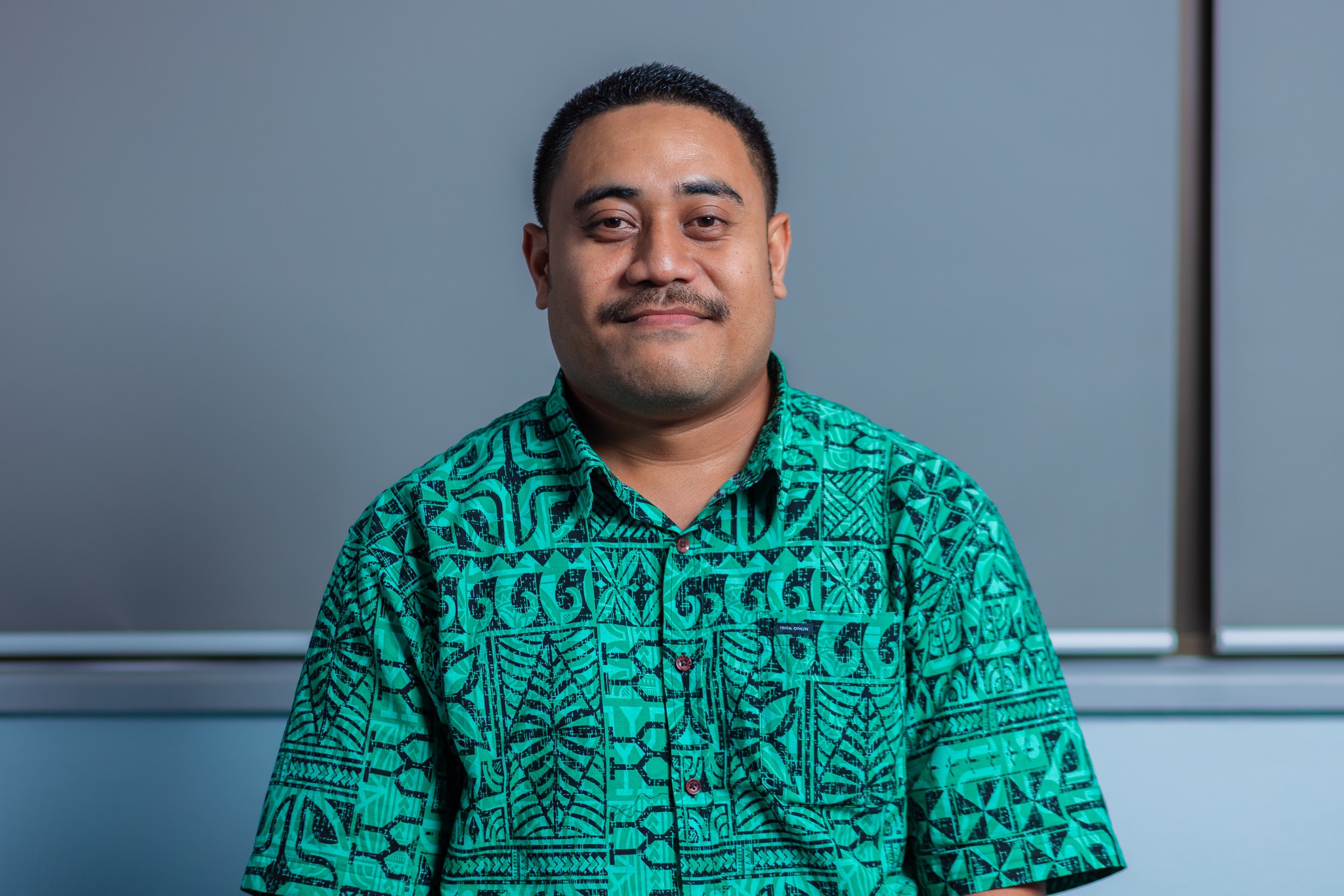
In his role as a Senior Project Manager at Abt in Suva, Fiji, Michael Vaurasi leads major health infrastructure work across Fiji, delivering projects that make a real difference for local communities.
With strong skills in drafting building plans and a deep understanding of construction and project management already under his belt, Michael joined Abt in March 2025 as a Project Manager. He was promoted to Senior Project Manager only a few months later.
Various health infrastructure projects currently under Michael’s remit include regional and sub-divisional hospitals in Kadavu and Taveuni, a new Labasa incinerator facility in the north, and priority infrastructure works under the Colonial War Memorial Hospital Priority Infrastructure Plan.
“These investments address critical service delivery gaps, including ageing infrastructure, unreliable essential services, and unsafe clinical waste disposal. Works involve targeted upgrades to electrical, water, and structural systems, as well as key clinical areas, and require staged construction and coordination. Key challenges include remote logistics, maintaining hospital operations during works, and dependency on external stakeholders such as utilities and supply chains. Collectively, these investments are strengthening the safety, reliability, and resilience of Fiji’s health system, improving access to quality care and supporting inclusive economic participation,” explains Michael.
Navigating challenging conditions
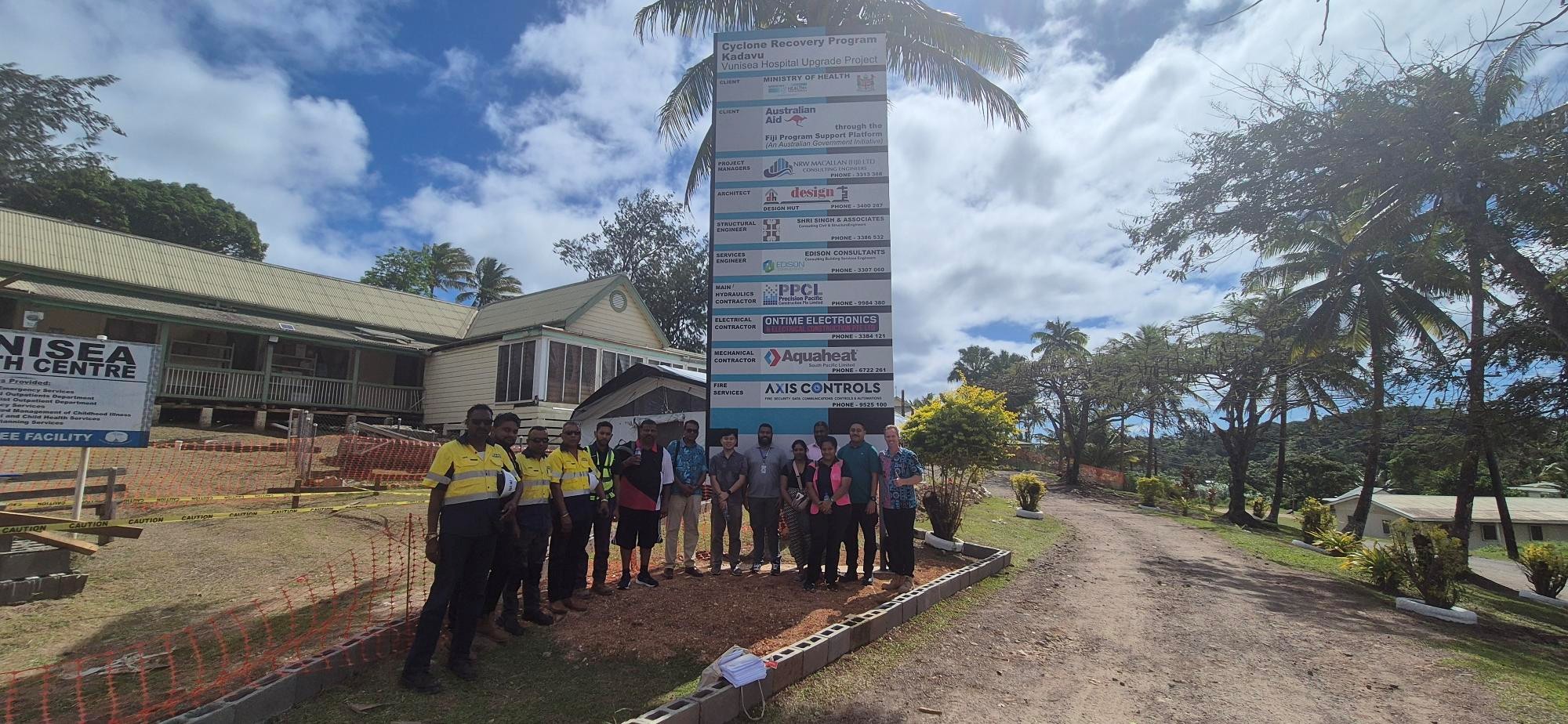
Michael highlights the upgrade of Vunisea Hospital in Kadavu, which serves 75 villages across nine districts, as a project he’s especially proud of.
“The upgrade of Vunisea Hospital strengthened critical systems such as power, water, and clinical spaces. Before the upgrade, the hospital was in poor condition, making it hard for staff to provide good care. Significant upgrades were made to the existing services, which created safer facilities, meaning community members can now receive consistent high-quality care in a remote setting,” says Michael.
Many of the health facility infrastructure projects Michael works on – including Vunisea Hospital – take place in live hospital environments, where doctors, nurses and patients are still using the buildings while construction is underway.
“It can be very challenging at times, trying to sketch out work zones, where to do them and at what time,” explains Michael. To manage this type of situation, engagement with key stakeholders is critical to ensuring operations run smoothly. Initial discussions are first held with consultants and contractors to agree on a practical approach. Once agreed, the plan is presented to the hospital management team so they understand when construction will occur and how it will be managed to minimise disruption and keep services running. Minor adjustments are made based on their feedback.
Involving local communities
As well as having many key technical skills including stakeholder management and engagement, project and contract management and procurement, Michael also strives to deliver on softer skills such as communication and active listening skills, teamwork, adaptability, collaboration, and empathy. He also has a high level of cultural awareness, which he says is a vital skill for the infrastructure projects he works on.
“Delivering infrastructure projects in Fiji requires understanding and respecting local customs. At Abt in Fiji we encourage contractors to follow traditional protocols before starting work. This means doing a sevusevu (yaqona/kava) to the landowners and community leaders, formally informing them about the project and its objectives,” says Michael.
Demonstrating the importance of involving local community members in infrastructure work planning before it commences, Michael recalls a hospital project where work began before nearby communities fully understood what was happening.
“There were initial queries and concern raised from landowners and community members regarding the project. Discussions were held between myself and the Senior Divisional Medical Officer (SDMO) on the issue and the approach to ensure there was a clear understanding of the project. The SDMO represented the team and engaged with the landowners, explaining the project, and they were very pleased and appreciative that the upgrades are finally happening. Once that was done, all was well and we were able to proceed without any hindrance.”
Michael feels proud that FSIP's health infrastructure work in Fiji, carried out by Abt Global Australia for the Australian Government, is locally led.
“About 80–90 per cent of workers on our projects are local. And many of them move from one project to the next, taking their skills and experience with them. We have four projects running at the moment and all the consultants and contractors engaged are locals,” says Michael.
However, he also points out that Fiji currently faces a shortage of skilled workers, as many tradespeople move overseas for work in Australia and New Zealand.
“So, to maintain quality, some contractors bring in overseas workers, often from Bangladesh, particularly for detailed finishing work,” explains Michael. “Although they do, of course, also hire local workers as well,” he adds.
On the horizon
Looking ahead, Michael hopes to continue delivering high-quality infrastructure projects that strengthen services in Fiji – using his considerable experience and expertise to bring about positive change in a country he deeply cares about.
“I hope to see stronger, more resilient communities with reliable access to quality health services and infrastructure across Fiji, as well as continued investment to help more communities develop fairly and bring long term benefits, especially those in remote areas.”
Learn more about Abt’s infrastructure programs here.