


The Australian Government’s Australia-Cambodia Cooperation for Equitable Sustainable Services Phase 2 (ACCESS 2) program, implemented by Abt Global, aims to improve the sustainability of quality, inclusive services for persons with disabilities and survivors of gender-based violence (GBV) in Cambodia.
Rehabilitation is increasingly recognised as a core component of universal health coverage, yet in many low‑ and middle‑income contexts it remains fragmented, under‑resourced, and delivered through parallel systems. In Cambodia, historical reliance on stand‑alone rehabilitation centres and externally funded service models created access gaps, weak referral pathways, and sustainability risks, particularly for poor and rural populations.
In response, ACCESS 2 deliberately adapted its approach, shifting from short‑term service expansion to strengthening rehabilitation as an integrated function of the public health system. This strategy reflects both global evidence and Cambodia‑specific learning, and is now demonstrating measurable improvements in access, quality, and system resilience.
Why Health System Integration Matters for Rehabilitation
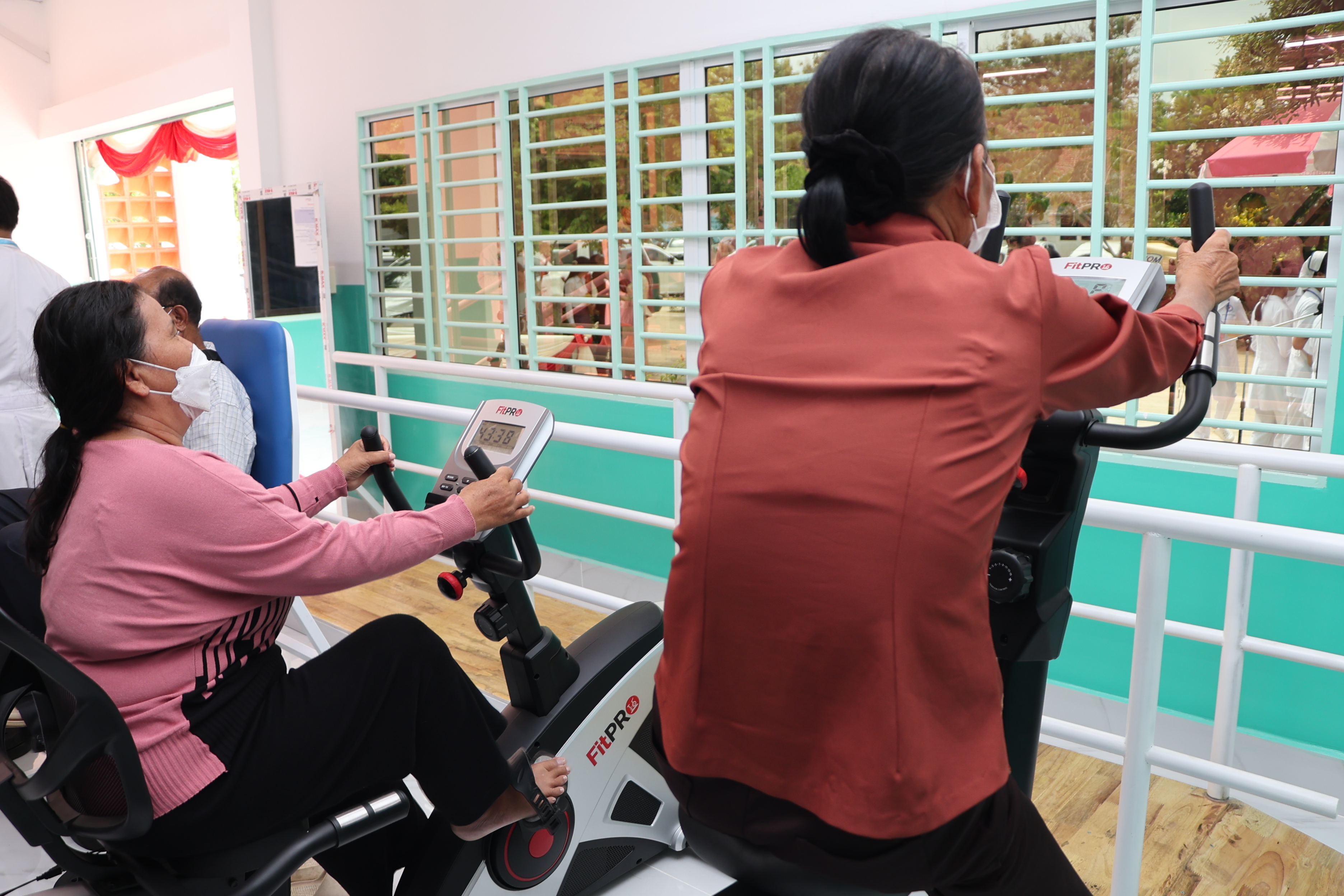
Evidence from ACCESS 2 implementation confirms that rehabilitation services are most effective and equitable when embedded within routine hospital and referral systems rather than delivered in isolation.
Early program experience showed that parallel rehabilitation services, while effective in the short term, limited continuity of care, created duplication, and constrained government ownership. In contrast, integration within public hospitals enables:
- Earlier identification and referral of clients through routine clinical pathways
- Stronger accountability and quality assurance under government systems
- Reduced financial and geographic barriers for poor and vulnerable clients
- Greater potential for long‑term sustainability through national financing and workforce planning
These insights directly informed ACCESS 2’s adaptation toward a health‑system‑strengthening model, aligned with Cambodia’s reform agenda and Ministry of Health priorities.
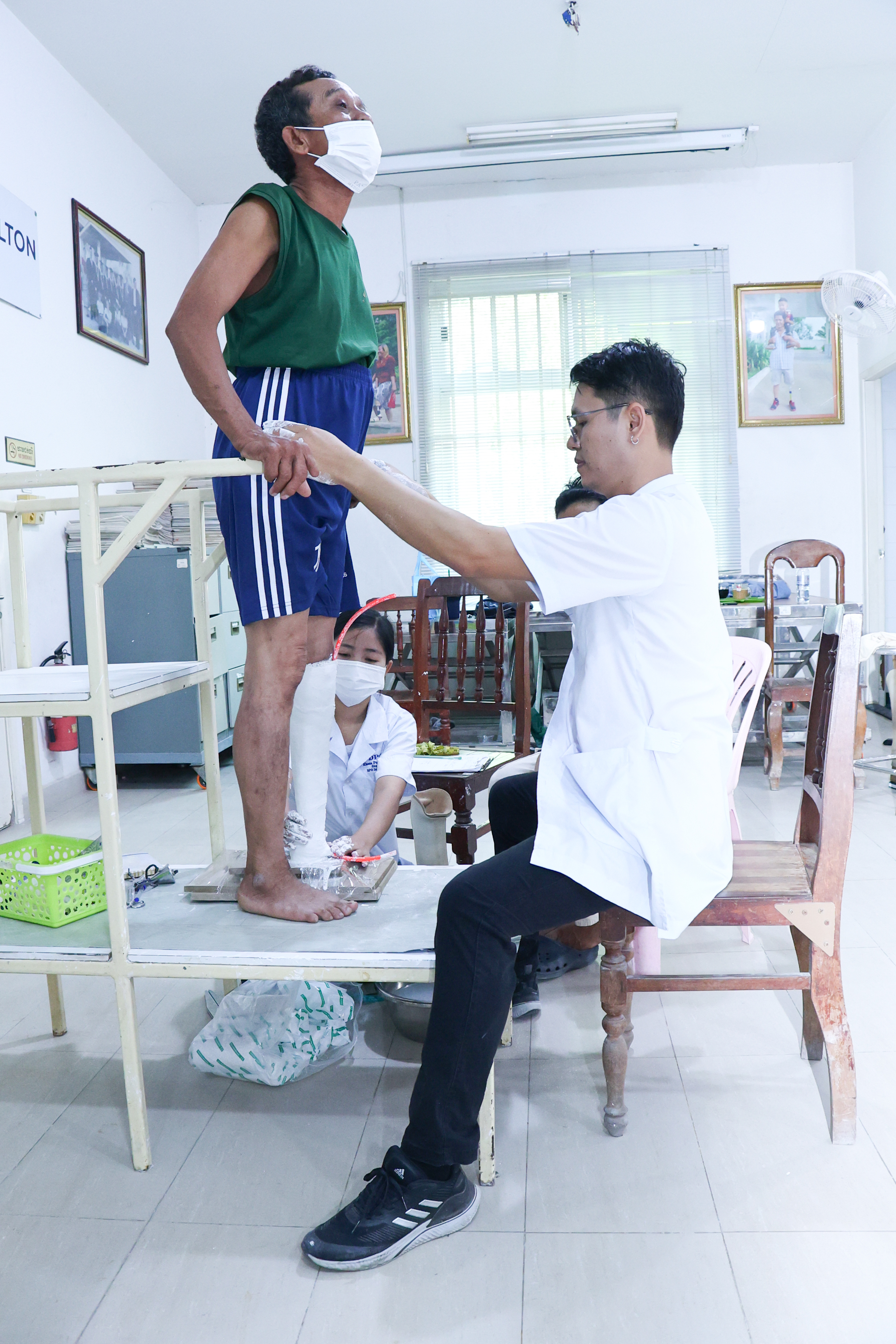
1. Embedding Rehabilitation Within Public Hospitals
ACCESS 2 supported the establishment and stabilisation of hospital‑based rehabilitation units (HBRUs) and specialised services within public hospitals, demonstrating that quality rehabilitation can be delivered through existing infrastructure and governance systems.
Across Phnom Penh, Kratie, Kampong Cham and Kampong Speu, rehabilitation services including prosthetics and orthotics, physiotherapy, and emerging speech therapy were delivered through public hospitals operating under standard registration, referral, and reporting procedures.
This approach improved service continuity and reduced reliance on external actors, while reinforcing government stewardship.
2. Strengthening Referral Pathways and Continuity of Care
Integration within the health system enabled significant improvements in referral quality and system trust. Structured referral pathways now link local health centres, hospitals, rehabilitation units and outreach services, supporting earlier intervention and more consistent follow‑up, particularly for children, persons with communication difficulties, and people in remote or indigenous communities.
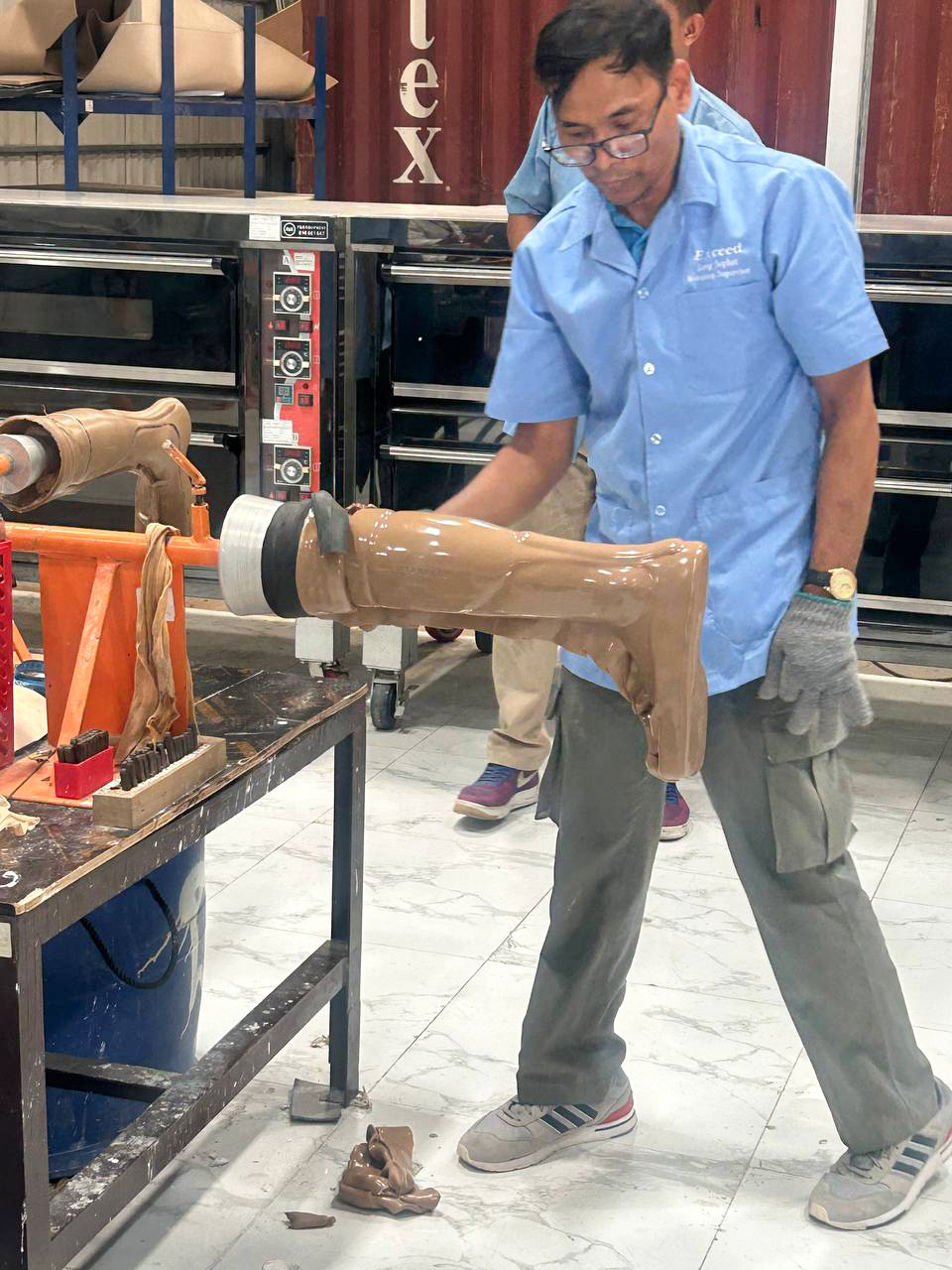
3. Investing in Workforce Capacity and Professional Recognition
ACCESS 2 complemented service integration with targeted workforce development to ensure quality and sustainability. This included technical training and mentoring for physiotherapists, prosthetists and orthotists, and speech therapy practitioners, alongside quality assurance and supervision mechanisms.
Importantly, program evidence contributed to policy reforms recognising prosthetists, orthotists, and speech therapists as allied health professionals within Cambodia’s Health Workforce Development Plan (2025–2034), a critical step toward institutionalising rehabilitation within the health system.
4. Using Evidence to Influence Policy and Financing
ACCESS 2 embedded MEL across rehabilitation services to generate credible, policy‑relevant evidence. Program data and learning informed national dialogue on rehabilitation and assistive technology as essential health services, contributing to their inclusion in:
- Ministry of Health strategies and clinical guidelines
- Draft Complementary and Minimum Package of Activities (CPA/MPA)
- Ongoing discussions on inclusion under Health Equity Funds (HEF) and National Social Security Fund (NSSF) mechanisms
Strong Evidence That the Strategy Is Working
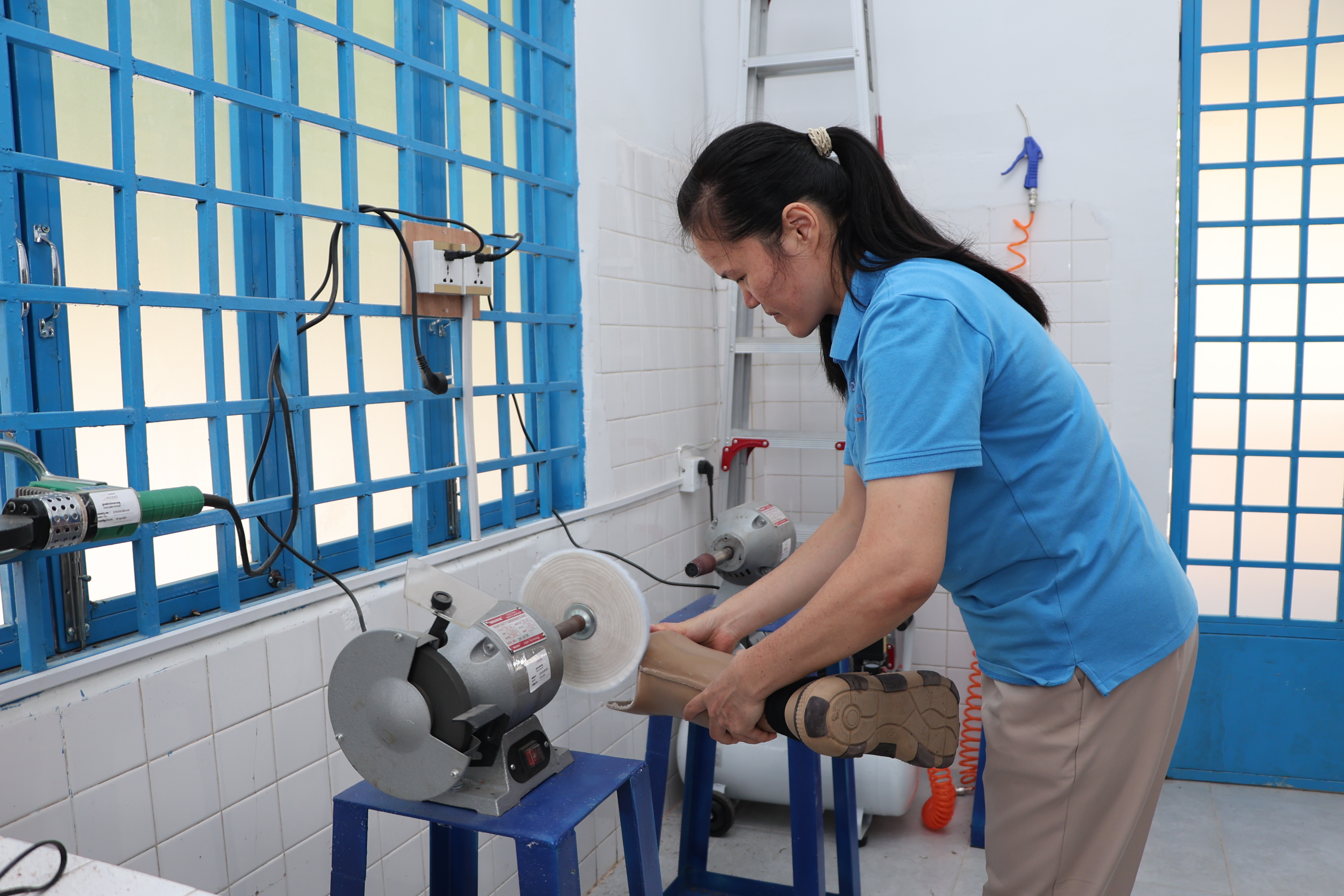
ACCESS 2’s adaptation is supported by clear quantitative and qualitative evidence:
- Expanded access and coverage: HBRUs have collectively served over 2,000 clients within their 18 months of operation, delivering assistive devices and physiotherapy services at scale, including rapid uptake in newly established provincial units. Hospital‑based services are increasingly absorbing client demand as reliance on Physical Rehabilitation Centres (PRCs) declines, with projections indicating that HBRUs could absorb 29–44% of the national rehabilitation client load by 2028 under current trends.
- High service quality and client satisfaction: Client satisfaction rates reached 94% across hospital‑based rehabilitation services, reflecting improvements in staff attitudes, waiting times, and facility safety.
- Improved system integration: Facility‑driven referrals and OPD‑facilitated pathways demonstrate a shift from ad hoc access to structured, system‑led navigation of services. Evidence shows that 84% of HBRU clients were referred by health facilities, indicating that rehabilitation is increasingly recognised and utilised as part of routine care rather than a last‑resort service.
- Sustainability gains: Integration into public hospitals, national workforce plans, and policy frameworks reduces dependency on external funding and positions rehabilitation as a permanent function of the health system.
Why This Matters Going Forward
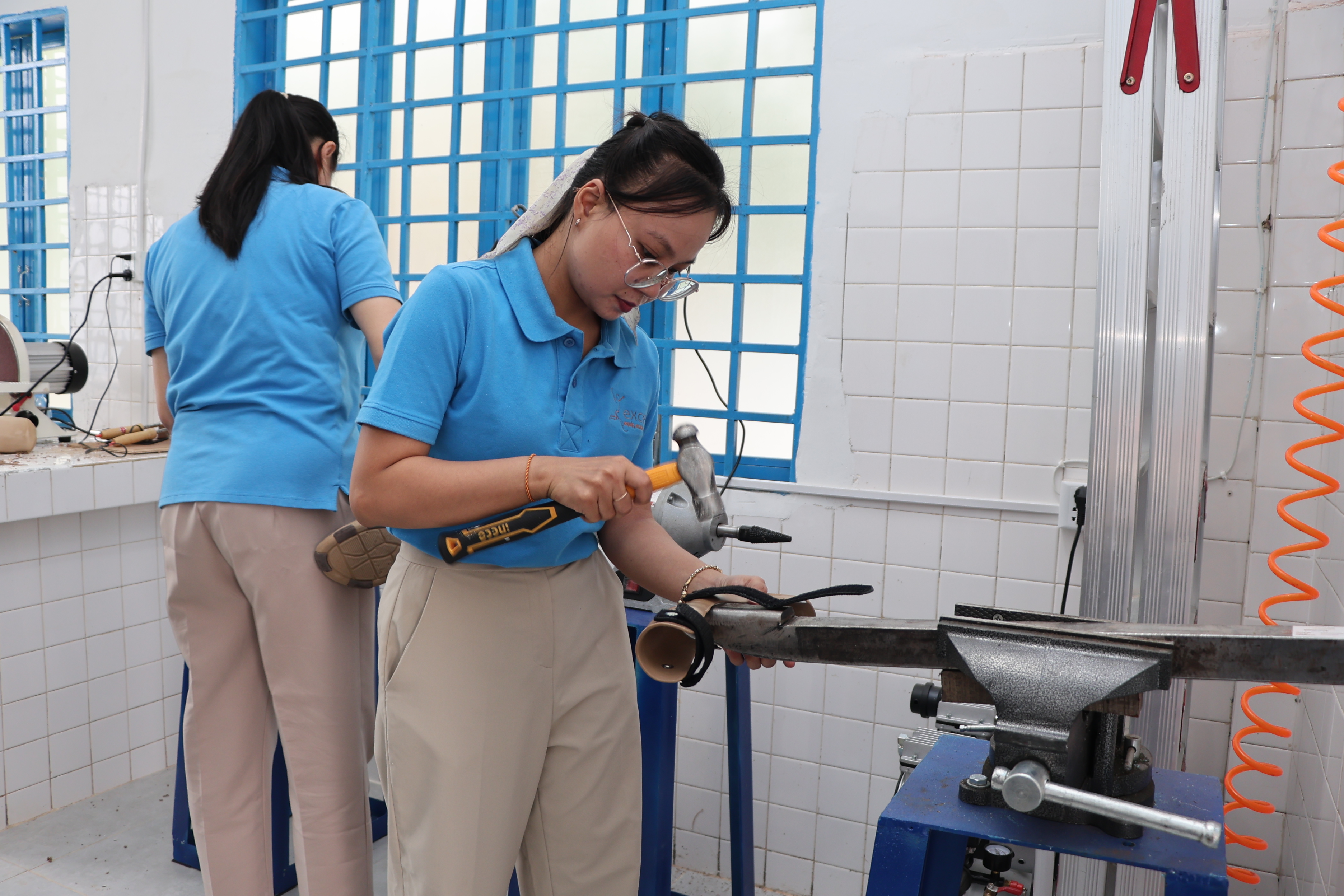
ACCESS 2’s experience confirms that rehabilitation system strengthening is not only feasible but essential in fragile and transitioning contexts. By embedding rehabilitation within the health system, the program has improved equity, quality, and resilience while supporting Cambodia’s long‑term reform agenda.
This adaptive approach ensures that rehabilitation is no longer treated as an optional add‑on, but as a core health service that enables people with disabilities to access care, participate fully in society, and live with dignity.
Contact Us