

Across the world, climate change is reshaping lives, economies, and ecosystems. For many countries in the Pacific and Asia, these impacts are not distant risks. They are daily realities. At Abt, our climate specialists work with governments and communities to respond to these challenges in practical ways. Together, we focus on strengthening systems so they can anticipate, adapt to, and recover from climate shocks. Following the recent Pre-COP in Fiji, and with COP31 approaching, the focus is on turning commitments into practical results for Pacific communities.
Our work starts from a simple premise. The people most affected by climate change often have the deepest understanding of how it unfolds in their communities. When this knowledge is combined with technical expertise and policy support, it creates stronger and more sustainable responses.
Integrating climate across development systems
Abt supports partners to integrate climate considerations across sectors such as agriculture, education, public finance, health and infrastructure. This means moving beyond isolated climate projects. Climate thinking is embedded in how all programs are designed and implemented.
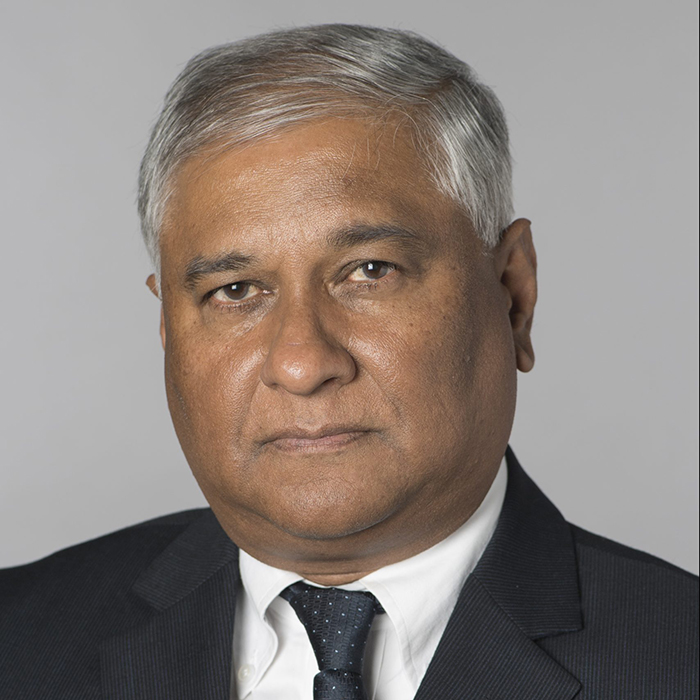
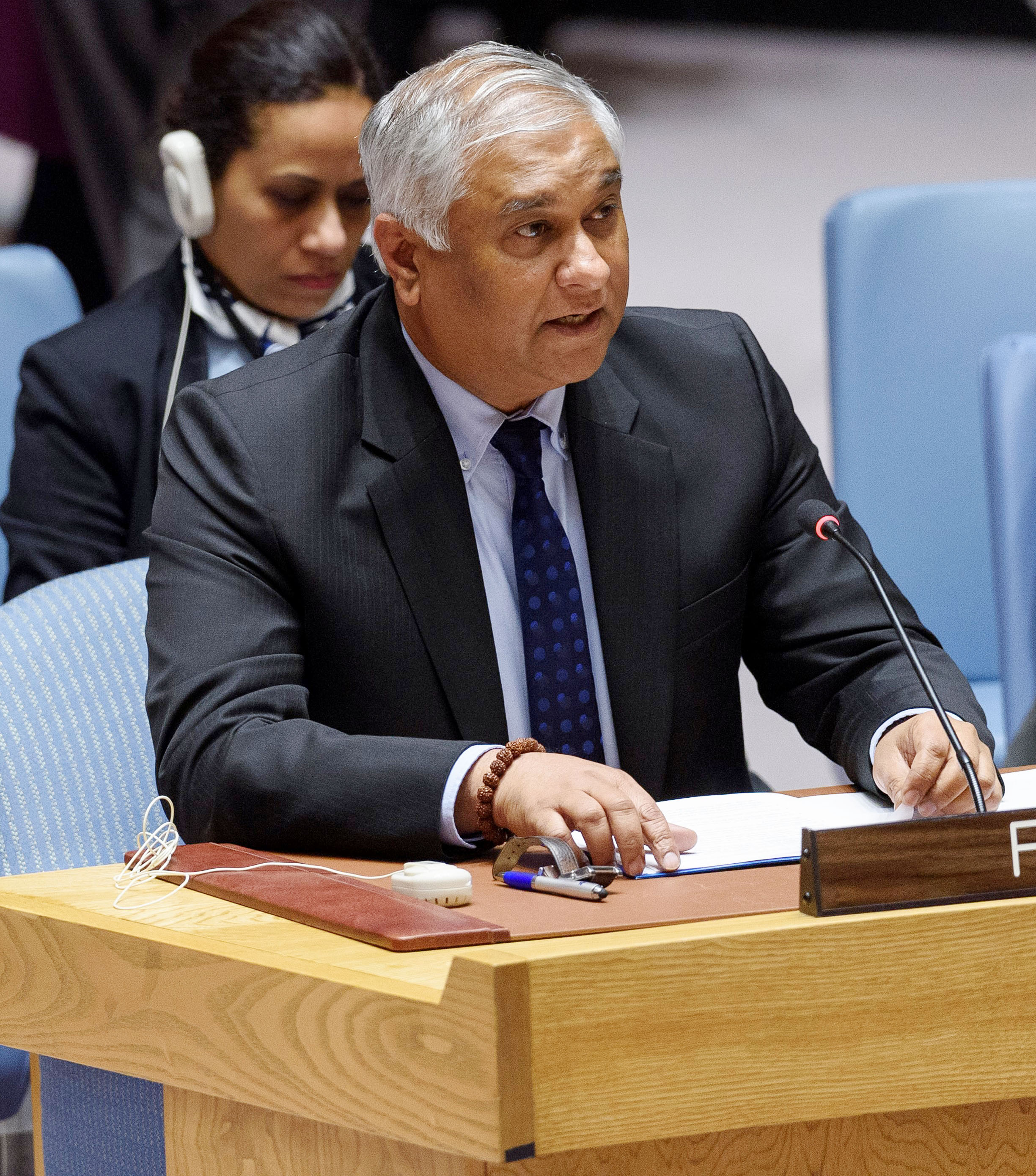
Dr Satyendra Prasad, Abt’s Principal Technical Lead, Climate and Localisation, says climate planning needs to be part of every sector.
“Climate risks affect every part of development investment, from crops and markets to schools and public services. Many programs are already adapting to changing conditions, even when they are not labelled as climate interventions.”
This approach allows governments and partners to better understand risks and adjust early. For example, climate events such as the evolving El Niño will impact food and water security across the Pacific. Timely decisions are critical. When responses are delayed, development impact is often impaired. Strengthening timely, forward-looking analysis helps decision makers act earlier and more effectively.
Learning from lived experience
For Dr Prasad, the urgency of climate action is personal. Growing up in Fiji, he experienced extreme weather events becoming more frequent and more intense. This has shaped his commitment to helping countries in the Pacific respond to climate risks and protect their futures. He has advocated for the region internationally in many roles, including as Fiji’s Ambassador to the United Nations. In this Abt Global video, Dr Prasad discusses how climate change has impacted both his life, and communities across the Pacific.
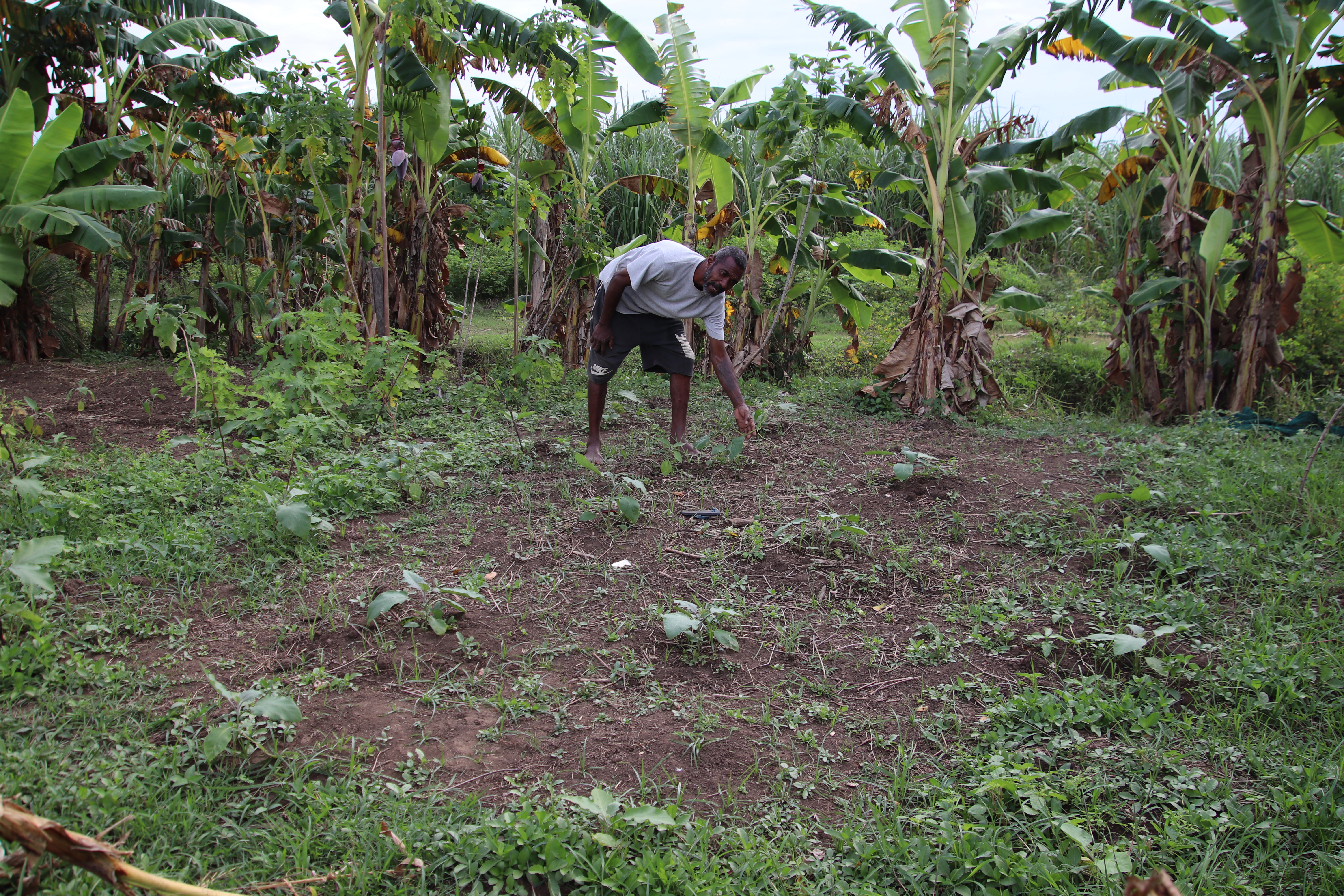
Across the region, communities are experiencing these impacts with increasing severity. Cyclones, sea level rise and changing rainfall patterns compromise food and water security and disrupt livelihoods. These impacts are most visible in rural communities and on outer islands, where people depend on small scale agriculture and local markets. In Papua New Guinea, for example, women play a central role in these systems. They are often the first to feel the effects of climate change. They provide deeply informed advice and input into the “how” of building resilience.
By placing local experience at the centre of our work, Abt ensures that responses are grounded in the realities of daily life. Locally led approaches produce more effective, and sustainable adaptation outcomes because they draw on context-specific knowledge and priorities.
Treating every program as a learning opportunity
A key feature of our climate work is the focus on continuous learning. Rather than treating climate initiatives as isolated efforts, we draw lessons from all programs and activities.
Every intervention, no matter how small, provides insight into what works and what needs to improve. These lessons are captured and shared across teams and countries. This approach allows us to move faster from learning to action. Teams apply lessons in real time rather than waiting years to adapt program approaches or scale up pilot projects.
Bridging gaps in climate capability

Many countries manage climate issues through dedicated agencies. However, climate risk affects all sectors, from health to education. In smaller or lower capacity contexts, these agencies often do not have the reach or resources to support whole of government responses.
Abt works with governments to bridge this gap. By integrating climate thinking into sector programs, the team supports ministries and agencies to understand and respond to climate risks within their own mandates.
This approach also supports stronger collaboration across sectors. Lessons learned in one area can be applied in others, reducing duplication and improving efficiency.
Working in the most climate vulnerable contexts
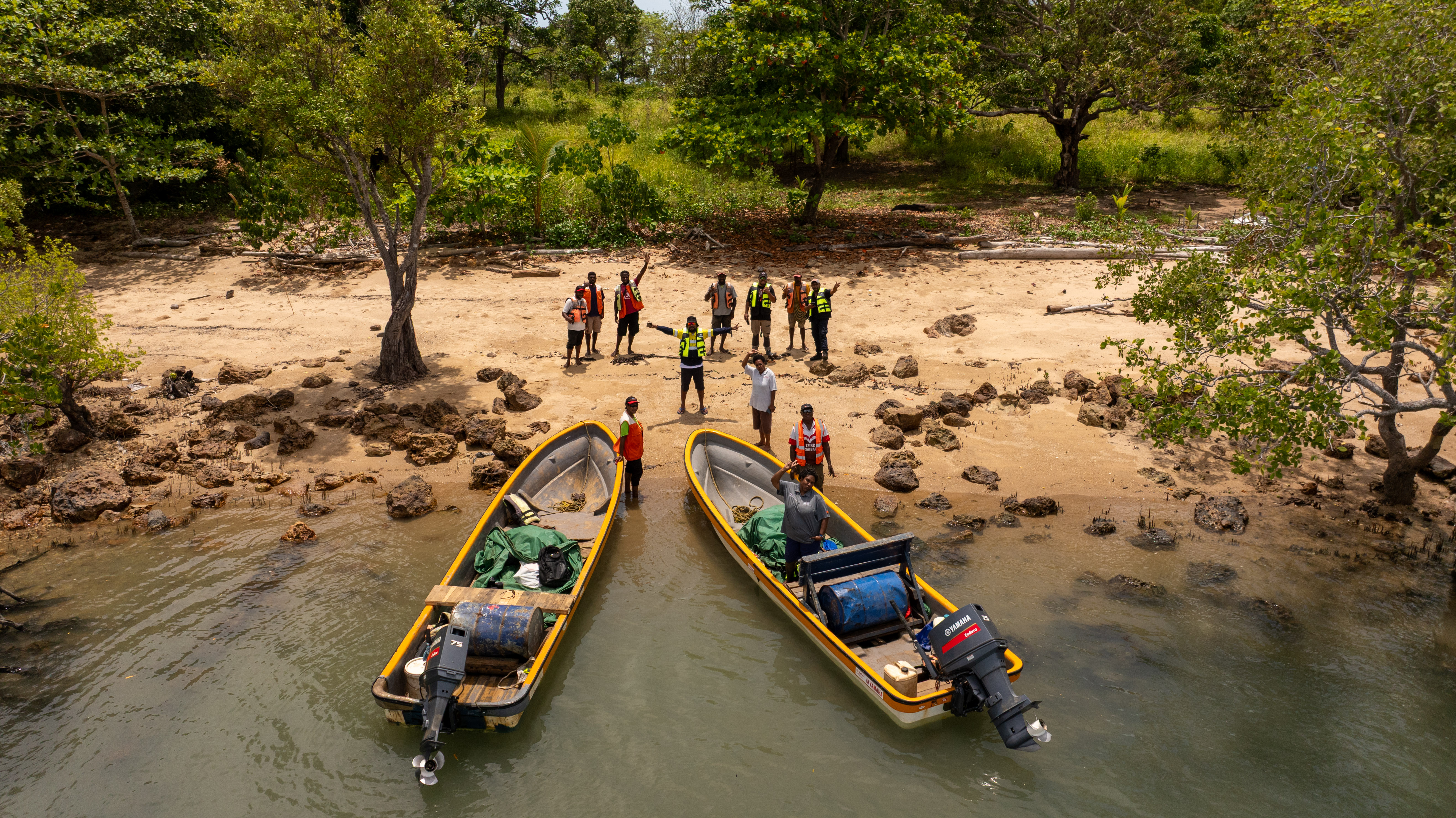
Our climate work is concentrated in some of the world’s most climate vulnerable countries, including Papua New Guinea, Fiji, Vanuatu and Solomon Islands. In these contexts, climate impacts are already visible across multiple sectors.
This creates both a challenge and an opportunity. Dr Prasad notes that working in these environments means that every activity offers insights into how climate risks affect systems and communities.
By systematically capturing and sharing these insights, Abt contributes to a growing body of knowledge on what works in complex and rapidly changing environments.
Connecting local knowledge and global expertise
Abt’s climate specialists also engage with global initiatives, including climate finance and emerging areas such as the blue economy. This exposure ensures that our teams are connected to evolving global practice and can bring new ideas into regional programs.
At the same time, lessons from the Pacific and Asia inform global thinking. By linking local experience with global expertise, Abt helps ensure that climate solutions are both innovative and grounded in realities.
Taking Pacific experience to global forums
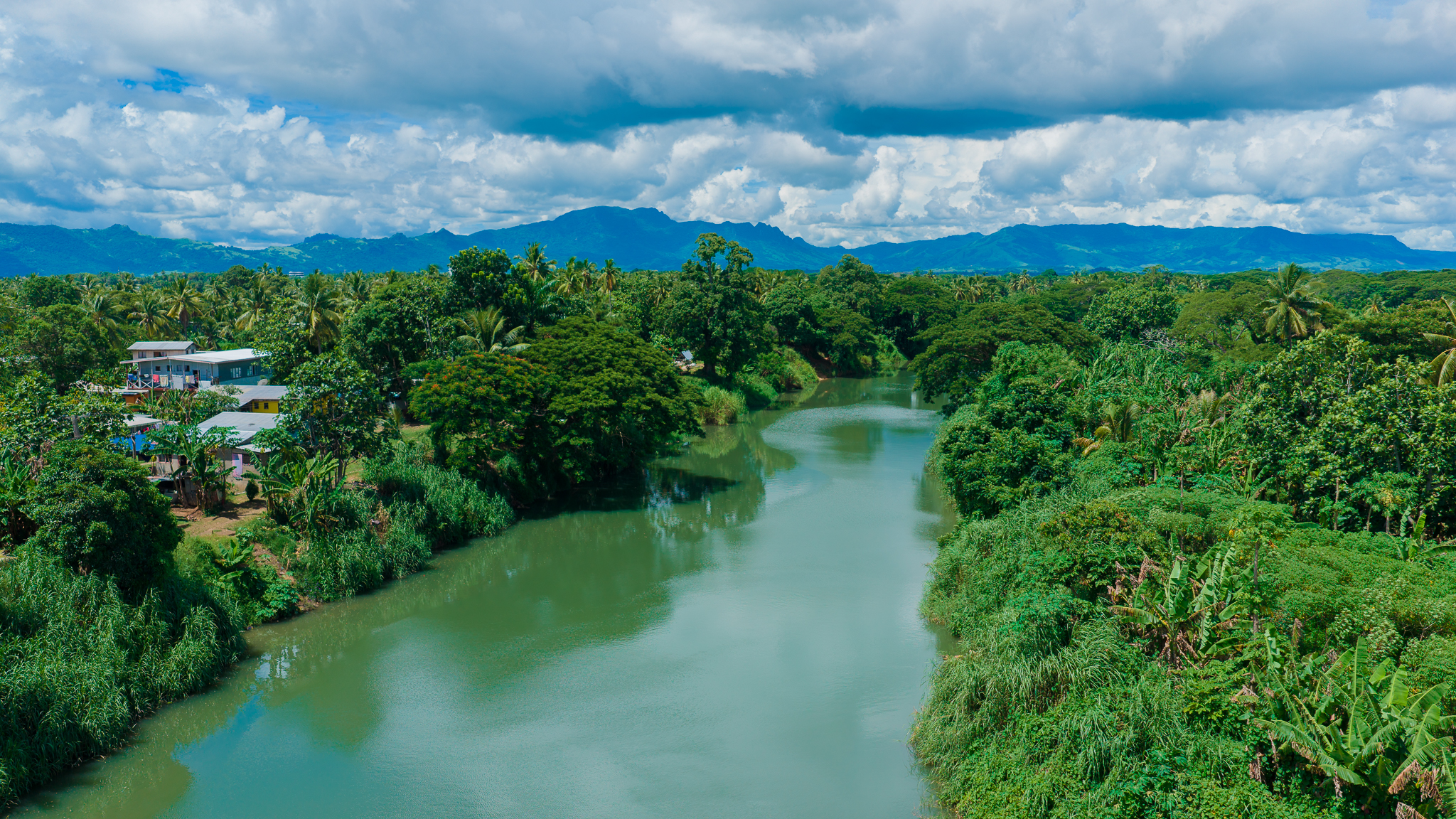
Abt was especially pleased to showcase climate work at the recent Pre-COP event in Fiji. This included the Australian Government’s Fiji Climate Adaptation Program’s support for locally led adaption for flood protection in the Nadi basin in Fiji. The Abt-managed Australia PNG Economic Program shared insights into green financing in Papua New Guinea.
The Pre-COP brought together about 5,000 community leaders, scientists, faith groups, negotiators and traditional knowledge leaders in Fiji and Tuvalu. Solomon Islands and Tonga presented new climate ambitions, backed by national climate funds. Palau, Niue and Tonga showed how ocean protection can support incomes and livelihoods.
It was a powerful display of Pacific leadership and locally led innovation.
Dr Prasad, Special Envoy to the Pacific Resilience Facility, is supporting the Pacific Islands leaders' efforts to capitalise the Pacific Resilience Facility. This involves working with Pacific leaders, the Australian Government and other donor countries at COP and in other international forums.
The Facility is the region’s own financial institution. It helps communities rebuild resilience without adding to national debt. Dr Prasad says other countries can help.
“If some of the smallest and most vulnerable states in the world can make significant financial contributions into the Pacific Resilience Facility, so can the rest of the world.”
COP31 will be held in Antalya, under the Presidency of Türkiye, with Australia leading the negotiations. Dr Prasad wants the conference to deliver for the Pacific, including for the Facility.
“Antalya should deliver on this. It is that simple.”
A practical approach to climate resilience
Abt’s work on climate change is not about standalone projects or short-term responses. It is about strengthening systems so they can respond to uncertainty and change over time.
This means integrating climate into everyday decision-making, valuing local knowledge, and learning continuously from what works. It also means supporting governments and communities to lead their own responses – including through locally led financing mechanisms.
As climate impacts continue to intensify, these approaches will be essential. By combining local knowledge with technical expertise, we’re helping partners build stronger systems. These can protect livelihoods, strengthen communities, support long-term development outcomes and protect development gains.
Our Experts