


At Abt Global, the development programs we manage use Monitoring, Evaluation, Research, Learning and Adaptation (MERLA) to generate and apply evidence throughout implementation. Our teams regularly collect and analyse evidence on program performance to inform decisions and improve outcomes over time.
In Cambodia, the Australia–Cambodia Cooperation for Equitable and Sustainable Services (ACCESS 2) program demonstrates how pause and reflect (P&R) processes can move beyond evidence interpretation to support practical program adaptation and stronger team culture.
From learning systems to practice
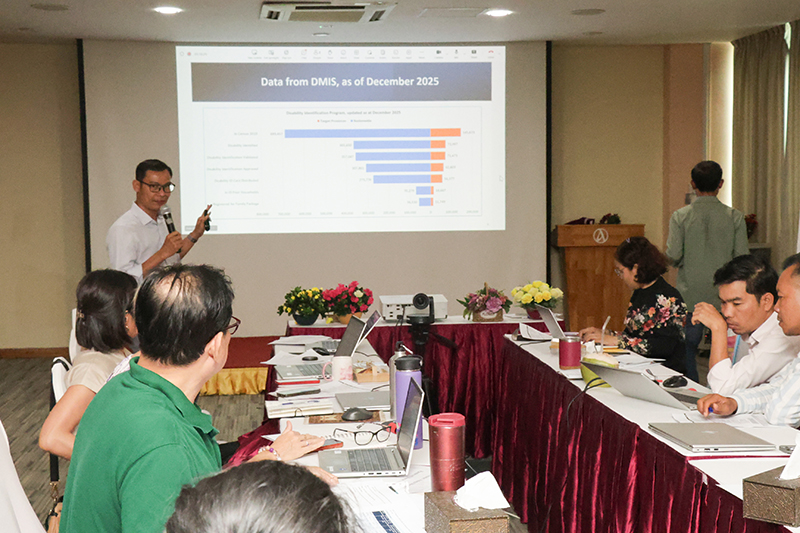
ACCESS 2 works with government partners and civil society organisations to strengthen inclusive, quality services for women affected by gender-based violence and people with disability.
MERLA is embedded across the program cycle, ensuring that data and evidence inform decision-making. As ACCESS 2 MEL Manager Pork Ponn explains, “MERLA really helps programs by making sure we are constantly learning and adjusting our program… to improve performance and deliver better outcomes.”
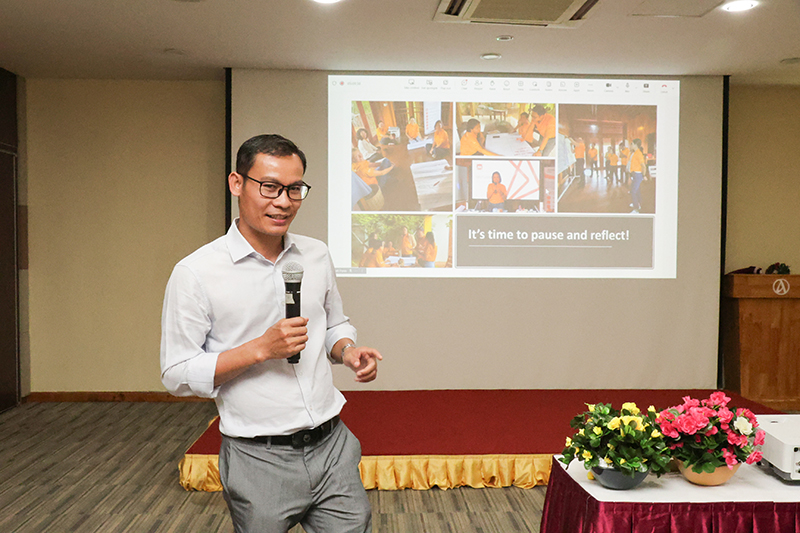
Pause and Reflect (P&R) sessions are a core mechanism for this learning. They provide structured opportunities for the team and program partners to come together to review evidence, share insights and agree on next steps.
Building reflection into the journey: the ‘what’
ACCESS 2 draws on multiple sources of evidence, including partner reports, internal program data from field monitoring and government data. However, like many large, multi-partner programs, insights are often distributed across different reporting channels.
As Pork notes, “we actually have a lot of lessons learned… through reports or through field monitoring… sometimes they are just spread across the report, no one compiles it together.”
P&R sessions bring this evidence together and provide a space for the team and partners to collectively synthesise insights and build a consolidated understanding of program performance.
Making sense of evidence: the ‘so what’
The central value of P&R lies in creating space for interpretation and collective sense-making.
Pork describes these sessions as “a space where people can step back from day-to-day work and really think about what’s happening… to look at data together and share insights.”
During ACCESS 2 P&R sessions:
- teams review evidence together
- partners share practical insights from implementation
- discussion focuses on identifying what is working and why
This process supports shared understanding across the program. As Pork explains, “during the pause and reflect… everyone on the team will clearly understand the issue… we see the problem together.”
By grounding discussion in evidence, the sessions enable more focused and meaningful conversations. Over time, ACCESS 2 has refined its approach, moving towards fewer discussion topics and deeper analysis to maximise the value of these sessions.
From insight to action: the ‘now what?’
The effectiveness of P&R ultimately depends on how insights inform decisions.
In ACCESS 2, P&R sessions have directly contributed to several program improvements.
Improving reporting processes
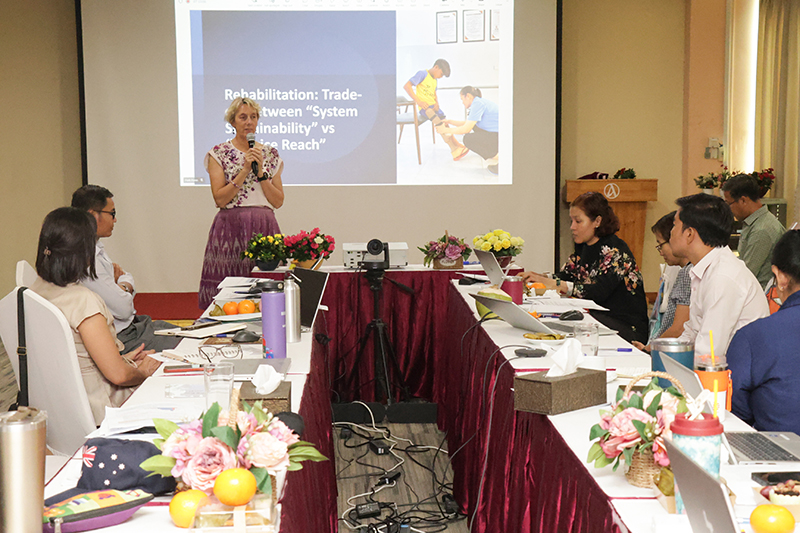
Reflecting on reporting challenges has led to timeline adjustments, ensuring partner data is available before coordination meetings. This ensures discussions are based on complete and up-to-date evidence.
The program also introduced more flexible reporting formats for partners, enabling better integration of information across different organisations.
Strengthening data quality and consistency
Through P&R discussions, the program identified inconsistencies in data sources and worked collaboratively to address them. As Pork explains, “we found the issue, discussed it… and later on we came up with a better solution.”
These changes have improved the quality of reporting, reducing the need for validation with stakeholders.
Adjusting the program theory of change and indicators
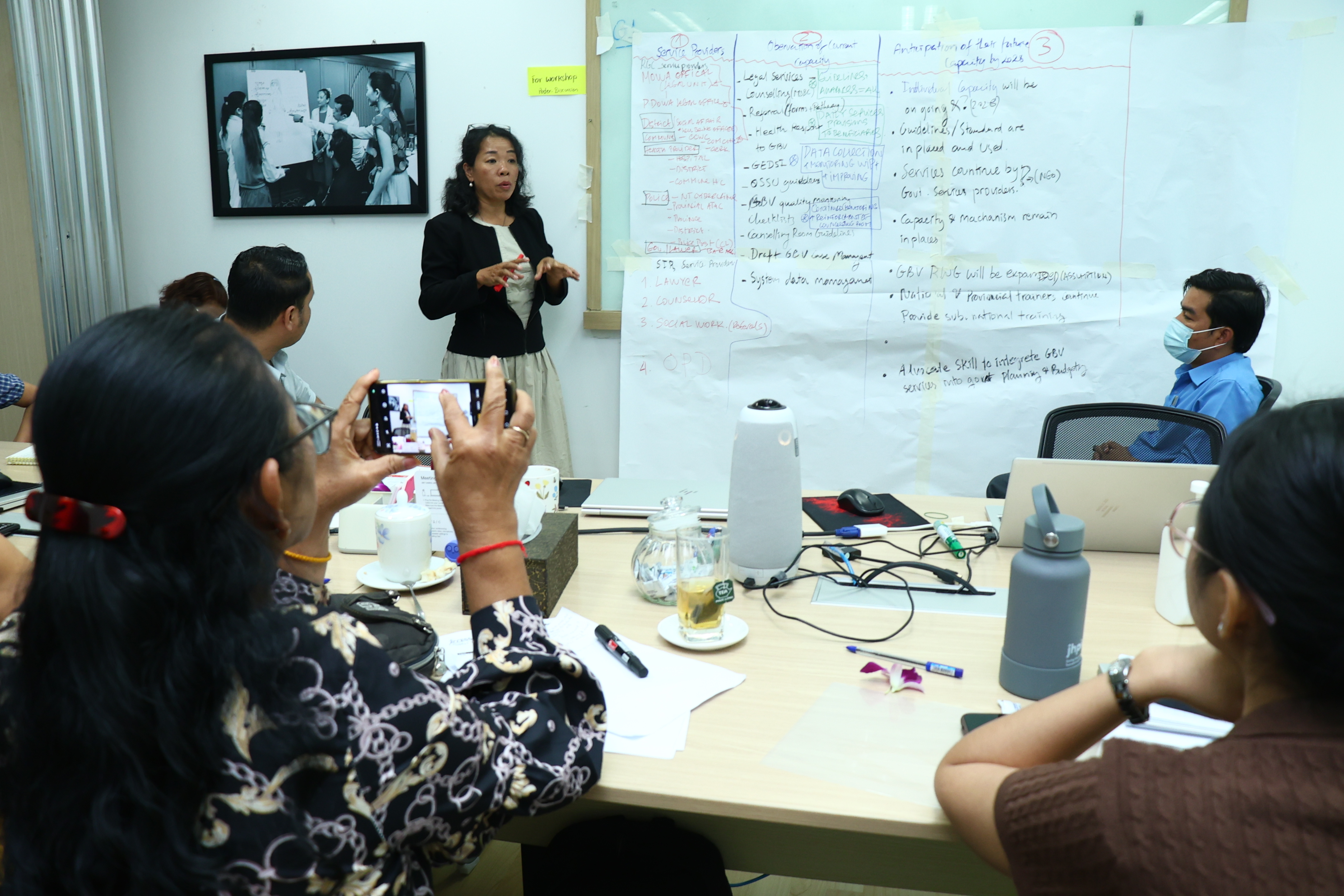
Evidence and reflection have also informed adjustments to the program’s theory of change and indicators. For example, the program revised assumptions that were no longer valid and streamlined indicators to improve measurability and accountability.
These adaptations have helped ensure that monitoring systems remain relevant to implementation realities.
Supporting a culture of learning and accountability
In addition to technical improvements, P&R sessions are strengthening team culture.
Pork highlights that the sessions “created a more open, collaborative and reflective team culture,” where staff can discuss challenges without fear of blame.
This contributes to a stronger sense of shared responsibility. By reviewing issues collectively, teams become more accountable for agreed actions and next steps.
P&R sessions also support alignment across teams and partners. By bringing together different perspectives, they help ensure that decisions are informed by both data and implementation experience.
Embedding reflection beyond formal workshops
While structured P&R sessions are held regularly, ACCESS 2 also applies reflection more flexibly across its work.
As Pork explains, “it is not just a process… it should be seen as a mindset or the culture… taking a step back, thinking what happened, what can we do better.”
The program complements formal workshops with ad hoc reflection moments, including after-action reviews and discussions following key activities.
This approach ensures that learning is continuous, rather than limited to specific events.
Why it matters
The ACCESS2 experience demonstrates that pause and reflect processes can deliver value beyond evidence interpretation.
By embedding reflection into program practice, ACCESS 2 has:
- improved the quality and timeliness of reporting
- strengthened data consistency and accountability
- supported adjustment of the program theory of change and indicators
- fostered a more open and collaborative team culture
These outcomes reinforce the broader MERLA principle that evidence is most useful when it is actively used to inform decisions and action.
As this case shows, effective P&R is not only about reviewing evidence, it is about creating the conditions for teams to learn, adapt and improve together.