

HIGHLIGHTS
- Strengthens national management of humanitarian relief supplies for quicker and more inclusive responses.
- Supports humanitarian responders’ capabilities to support disaster-affected populations with a focus on gender, equality disability and social inclusion.
- Continues to strengthen locally led preparedness and response through partnerships with Fijian humanitarian civil society organisations.
PROJECT
Disaster Resilience Program, Phase 2 (DRP2)
The Challenge
Cyclones, floods and droughts occur each year in Fiji, and climate change is expected to intensify weather-related hazards. These events continue to place significant pressure on Fiji’s infrastructure, economy and human development.
The Government of Fiji has stressed the need for greater focus on strengthening disaster risk reduction and response capacity. Under Australia-Fiji Vuvale Partnership, the second phase of the Disaster Resilience Program (DRP2) has been designed to help the government deliver on these priorities.
The Approach
The four-year DRP2, aims to enable Fiji to prevent new disaster risk and reduce existing disaster risks in line with relevant regional and global frameworks. These include the Sendai Framework for Disaster Risk Reduction and the Framework for Resilient Development in the Pacific.
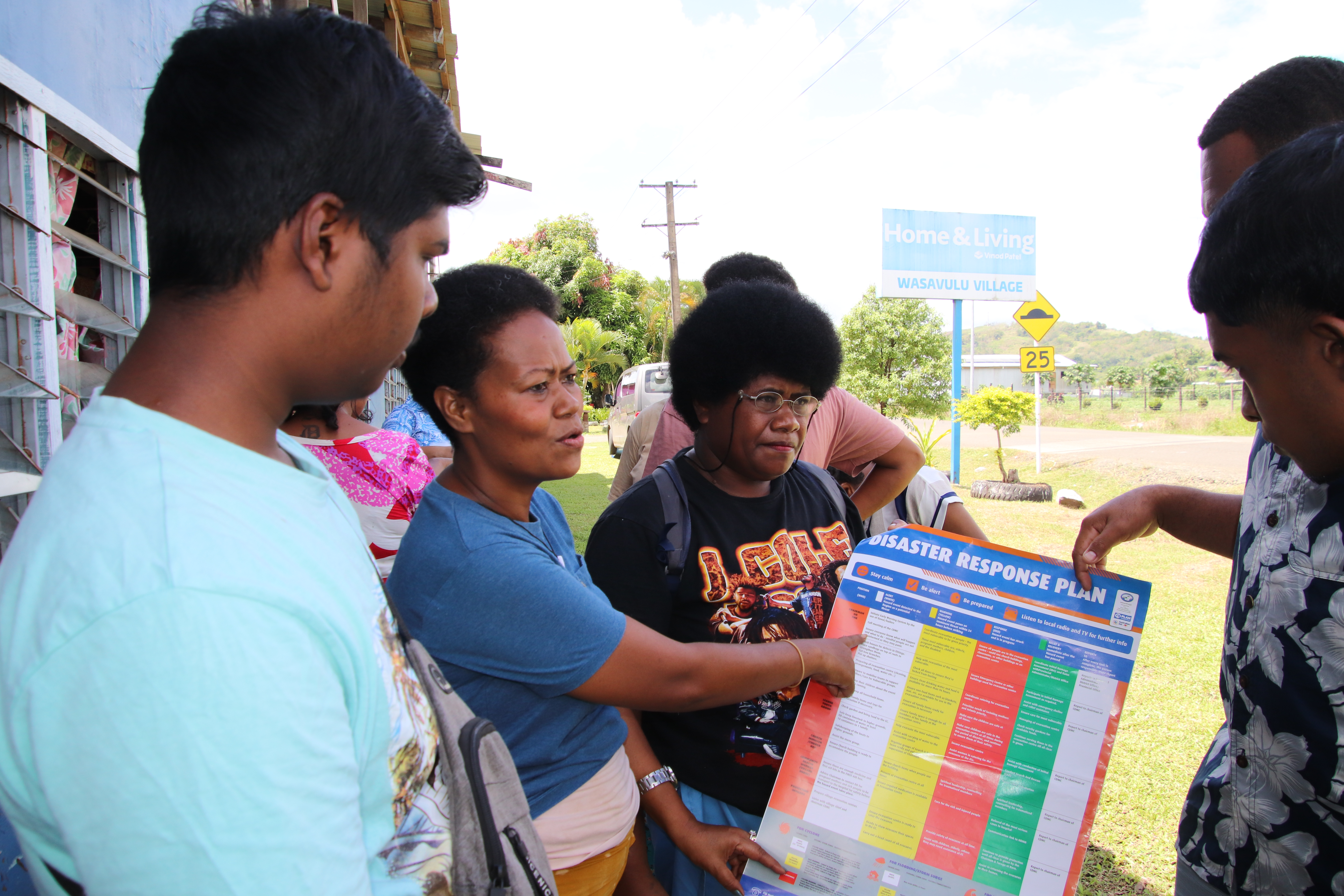
DRP2 works towards this goal in partnership with the National Disaster Risk Management Office (NDRMO) and civil society. Activities include logistics training and pre-positioning non-food items, including assistive products, in strategic locations.
The Abt-managed Fiji Program Support Platform implements a portfolio of Australian Government-funded development programs, including DRP2, in alignment with Fiji's national priorities and the Australia-Fiji Vuvale Partnership.
The Results
DRP2’s objective is to strengthen Fiji’s disaster resilience and improve the quality, inclusiveness and timeliness of humanitarian responses at the national and community level.
The program seeks to achieve two outcomes:
Strengthened institutional capabilities of the NDRMO to prepare for and respond to disasters and undertake resilient recovery.
Civil Society Organisations more effectively manage their resources and deliver high-quality, inclusive, climate resilient preparedness and response programs.
Our Experts